Bạn Cần một thị thực cho Mông cổ?

Entry Requirements for Mongolia: A Complete Guide for Travelers

Planning a trip to Mongolia? Understanding the entry requirements is essential to ensure a smooth journey. From visa policies to travel documents, this guide covers everything you need to know about entering Mongolia.

Bạn Cần một thị thực cho Mông cổ?

Visa-Free Entry

Citizens of certain countries can enter Mongolia without a visa for tourism or short stays. The duration of visa-free entry varies depending on your nationality:

  • 30 Days: Citizens of countries like the United States, Canada, Japan, and South Korea.
  • 90 Days: Citizens from Kazakhstan, Belarus, and Kyrgyzstan.
  • 21 Days: Citizens of the Philippines.

하루에 2 개의 드라이브를 Khuvsgul 호수

は、美しいの砂浜の砂丘ることが劇的に増加の中、芝草原.

:徒歩道の黄金の砂丘にはしぼんでしまうことから、凛々しい、と感じるソフト砂の下に足を取られてしまいます。

  • Do not have access to a Mongolian embassy or consulate.
  • Have an official invitation from a Mongolian entity.

Khuvsgul 호수

  1. オプションのラクダに乗る
  2. :プラスアルファ"をモットーに冒険し、ラクダに乗って砂丘の伝統的な遊牧す。

E-Visa

Mongolia’s e-visa system allows travelers to apply for a visa online. The process is straightforward and available for tourists, business travelers, and transit visitors. Approved e-visas are sent via email and must be printed for presentation upon arrival.

Regular Visa

夕刻の訪問と現地の家族

  • A valid passport with at least six months’ validity.
  • Completed visa application form.
  • Recent passport-sized photos.
  • Proof of travel plans (flight tickets and accommodation bookings).

Passport Requirements

Your passport must:

  • Be valid for at least six months from the date of entry.
  • Have at least one blank page for visa stamps.

Additional Entry Requirements

  1. Travel Insurance: While not mandatory, travel insurance covering medical emergencies is strongly recommended.
  2. COVID-19 Guidelines: Travelers should check the latest COVID-19 entry requirements, including vaccination or testing protocols, as these may vary.
  3. Customs Declarations: Declare items such as cash exceeding $10,000 USD or valuable goods when entering Mongolia.

Overstaying in Mongolia

Overstaying your visa can lead to fines or restrictions on future travel to Mongolia. If you need to extend your stay, visit the Mongolian Immigration Agency before your visa expires.

buuz

Most international travelers arrive at Chinggis Khaan International Airport (UBN) in Ulaanbaatar. Ensure you have:

  • Your passport and visa (if applicable).
  • Proof of onward or return travel.
  • Accommodation details.

Conclusion

温かいおもてなし


  • Entry requirements for Mongolia
  • Mongolia visa policy
  • Do I need a visa for Mongolia?
  • Mongolia e-visa application
  • Mongolia customs and immigration
  • Passport requirements for Mongolia
  • Travel to Mongolia COVID-19 guidelines
  • :着で遊牧民の家族のゲル、またはその生き方を見出していた。

:自らの日常生活、伝統的な工芸品、美術の群れる.

Chính Là những gì ngày Nghỉ ở Mông cổ?

Chính Là những gì ngày Nghỉ ở Mông cổ?

Mongolia is a land of fascinating traditions and vibrant celebrations. Its calendar is filled with holidays that reflect the country’s rich history, nomadic culture, and spiritual heritage. Knowing about the major holidays in Mongolia can help travelers plan their visits and immerse themselves in local customs. Below is a guide to the most significant holidays celebrated across Mongolia.

1. Tsagaan Sar (Lunar New Year)

Tsagaan Sar, hoặc mông cổ Năm Mới Âm lịch, là một trong những ngày lễ quan trọng nhất ở Mông cổ. Thường tổ chức vào cuối tháng hoặc hai, kỳ nghỉ này đánh dấu khởi đầu của âm lịch.

Key Traditions:

  • Families clean their homes to start the year afresh.
  • Traditional foods such as buuz (steamed dumplings) and dairy products are served.
  • Elders are honored with traditional greetings and gifts.

2. Naadam Festival

Held annually from July 11th to 13th, the Naadam Festival is a nationwide celebration of Mongolia’s cultural heritage. Known as the “Three Games of Men,” this festival showcases traditional sports: wrestling, horse racing, and archery.

Nổi bật:

  • Colorful opening ceremonies featuring traditional music and dance.
  • Competitions in wrestling, archery, and horse racing.
  • Festivities in both Ulaanbaatar and rural areas.

3. Independence Day (National Day)

Celebrated on November 26th, Independence Day marks Mongolia’s declaration of independence from Chinese rule in 1924.

Events:

  • Official ceremonies and speeches.
  • Patriotic parades and cultural performances.
  • Reflection on Mongolia’s history and achievements.

4. Buddha’s Birthday (Vesak)

Buddha’s Birthday, known as Vesak, is a significant religious holiday celebrated by Mongolia’s Buddhist community. The date varies depending on the lunar calendar.

Observances:

  • Prayers and rituals at monasteries.
  • Acts of kindness and charity.
  • Cultural and spiritual events honoring the life of Buddha.

5. Genghis Khan’s Birthday

Celebrated in early November, this holiday honors Mongolia’s legendary leader, Genghis Khan, who founded the Mongol Empire.

Hoạt động:

  • Commemorative ceremonies.
  • Exhibitions and lectures about Genghis Khan’s life and legacy.
  • Nationwide pride in Mongolia’s historical achievements.

6. New Year’s Eve and New Year’s Day

Like many countries, Mongolia celebrates New Year’s Eve on December 31st and New Year’s Day on January 1st. It’s a time for family gatherings and festive parties.

Celebrations:

  • Fireworks displays in Ulaanbaatar and other cities.
  • Festive meals and entertainment.
  • Reflection on the past year and hopes for the future.

Conclusion

Mongolia’s holidays provide a unique window into the country’s rich cultural tapestry. Whether it’s the joyous celebrations of Tsagaan Sar or the athletic competitions of Naadam, these events offer travelers unforgettable experiences. By aligning your visit with these major holidays, you can gain a deeper appreciation for Mongolian traditions and hospitality.


  • Major holidays in Mongolia
  • Mongolian festivals and traditions
  • Naadam Festival in Mongolia
  • Tsagaan Sar celebrations
  • Mongolian Independence Day
  • Genghis Khan’s Birthday holiday
  • Buddha’s Birthday in Mongolia
  • New Year’s Eve in Mongolia

#Mongolia #MongolianHolidays #NaadamFestival #TsagaanSar #GenghisKhan #MongolianCulture #TravelMongolia #FestivalsInMongolia #BuddhistCelebrations


Are Mongolian People Friendly Toward Tourists?

Are Mongolian People Friendly Toward Tourists? A Warm Welcome Awaits!

Mongolia, the land of the eternal blue sky, has long been a dream destination for adventurers and culture enthusiasts. If you’re considering visiting this vast and captivating country, you might wonder, Are Mongolian people friendly toward tourists? The short answer is a resounding yes! Mongolians are known for their hospitality, warmth, and deep respect for guests. Let’s explore why Mongolia is one of the most welcoming destinations in the world.


1. The Spirit of Nomadic Hospitality

Mongolia’s nomadic traditions have shaped a culture of unparalleled hospitality. In the countryside, where vast steppes stretch endlessly, nomads often welcome travelers into their gers (traditional felt tents) without hesitation. It’s customary to offer food, tea, and even a place to stay overnight. This tradition, known as “guest rights,” is deeply ingrained in Mongolian culture.

Nếu mời vào một ger, hãy nhớ phải chấp nhận vụ một cách lịch sự và làm theo phong tục của họ, như tránh bước trên ngưỡng cửa.


2. Urban Friendliness in Ulaanbaatar

In Mongolia’s capital, Ulaanbaatar, the atmosphere is equally welcoming. While the city is more fast-paced than the countryside, locals are generally friendly and eager to help tourists. Many young Mongolians speak English, making communication easier. Whether you’re asking for directions or recommendations, you’ll likely be met with a smile.


3. Respect for Foreigners

Mongolians take great pride in their heritage and are enthusiastic about sharing their traditions with visitors. From participating in Naadam Lễ Hội to learning about the history of Thành Cát Tư Hãn, locals often go out of their way to ensure tourists have a memorable experience.

Hashtags: #MongolianCulture #TravelMongolia #NomadicLifestyle


4. Cultural Tips for Tourists

文化的意義

  • Bring a small gift: If staying with a nomadic family, a small token like candy or tea is appreciated.
  • Learn basic phrases: Knowing a few words like “Sain bain uu? (Hello)” and “Bayarlalaa (Thank you)” goes a long way.
  • Respect traditions: For example, always receive items with your right hand and avoid pointing your feet at people.

Hashtags: #MongoliaTravelTips #CulturalRespect #TravelSmart


5. Why Tourists Love Mongolia

  • Adventure Opportunities: From trekking in the Altai Mountains to exploring the Gobi Desert, Mongolia offers unparalleled adventure.
  • Unique Experiences: Stay in a ger, ride horses, or witness the eagle hunters of western Mongolia.
  • Affordable Travel: Compared to many destinations, Mongolia offers budget-friendly options without compromising quality.

Hashtags: #VisitMongolia #GobiDesertAdventures #ExploreNomadicLife


Conclusion: A Heartwarming Experience

Whether you’re exploring the bustling streets of Ulaanbaatar or the serene landscapes of the steppe, Mongolians’ warmth and hospitality will make your journey unforgettable. Their respect for visitors, combined with a rich cultural heritage, ensures that you’ll not only feel welcome but also leave with lasting memories.

If you’ve been considering a trip to Mongolia, now’s the time to pack your bags and experience the friendliness firsthand.

Hashtags: #FriendlyMongolia #MongoliaAdventure #TravelWithHeart

What Is Mongolia Famous For?

Mongolia, the land of blue skies and endless steppes, is a country that captivates travelers with its unique blend of natural beauty, rich history, and vibrant culture. Here’s a closer look at what makes Mongolia famous, complete with Google SEO keywords to ensure your blog gets noticed.

1. Nomadic Culture

Mongolia is world-renowned for its nomadic lifestyle. About 30% of the population continues to live as nomads, moving with their herds across the vast steppes. Visitors can experience this firsthand by staying in traditional Mongolian gers and joining herders in their daily routines.

2. The Gobi Desert

Những Đông Sa Mạc is one of the most famous deserts in the world, known for its dramatic landscapes, towering sand dunes, and unique wildlife. Visitors can explore the Rực Vách Đá, where dinosaur fossils have been discovered, or embark on a camel trek across the sands.

3. Genghis Khan and the Mongol Empire

Mongolia is the birthplace of Thành Cát Tư Hãn, the legendary founder of the Mongol Empire. His legacy is celebrated throughout the country, from the towering Genghis Khan Statue Complex near Ulaanbaatar to the ancient ruins of Karakorum, the empire’s former capital.

4. Khuvsgul Lake

Known as the “Blue Pearl of Mongolia,” Khuvsgul Lake is a pristine alpine lake surrounded by forested mountains. It’s a haven for nature lovers, offering opportunities for hiking, kayaking, and horse trekking.

5. The Naadam Festival

Mongolia’s Naadam Lễ Hội is a UNESCO-recognized event held annually in July. This traditional festival showcases the “Three Manly Games” – wrestling, horse racing, and archery. It’s a vibrant celebration of Mongolian culture and heritage.

6. Vast Steppes and Open Skies

Often called the “Land of Eternal Blue Sky,” Mongolia boasts over 250 sunny days a year. The endless steppes and dramatic landscapes create a sense of freedom and adventure that’s unmatched anywhere else in the world.

7. Wildlife and Nature

From the elusive snow leopard in the Altai Mountains to the wild horses of Hustai Công Viên Quốc Gia, Mongolia is a treasure trove of unique wildlife. Bird watchers and nature enthusiasts will find plenty to admire.

8. Buddhist Heritage

Mongolia is home to stunning Buddhist monasteries, such as Gandan Monastery in Ulaanbaatar and the Erdene Zuu Tu Viện in Karakorum. These sites offer a glimpse into the country’s spiritual side and its Tibetan Buddhist traditions.

Best Time to Visit Mongolia

The best time to explore Mongolia is from June to September, when the weather is warm and the countryside is lush. Winter visits, however, offer a chance to experience unique events like the Ice Festival at Khuvsgul Lake.

Conclusion

Mongolia’s fame lies in its unspoiled natural landscapes, rich nomadic culture, and historical significance. Whether you’re an adventurer, history buff, or cultural enthusiast, Mongolia offers a once-in-a-lifetime experience.


Hashtags for Social Media:

#DiscoverMongolia #MongoliaTravel #GobiDesert #NomadicCulture #VisitMongolia #NaadamFestival #KhuvsgulLake #GenghisKhan #TravelAsia

Làm thế nào để đi xe ngựa ở Mongolia

Riding a Mongolian horse is a unique experience, and these hardy horses have been an integral part of the nomadic Mongolian way of life for centuries. Here’s a guide on how to ride a Mongolian horse:

1. Approach the Horse:

  • 에 도착
  • Allow the horse to see and sniff your hand before attempting to touch it. This helps establish trust.

2. Mounting:

  • Mongolian horses are generally smaller than many Western breeds. Use a mounting block or a raised surface for easier mounting.
  • Approach the horse from the left side, holding the reins and the mane for stability.
  • Place your left foot in the stirrup and push yourself up while swinging your right leg over the horse’s back.

3. Riding Position:

  • Sit deep in the saddle with a straight back. Mongolian saddles are different from Western saddles and don’t have a horn.
  • Hold the reins loosely, allowing the horse some freedom while maintaining control.

4. Basic Commands:

  • Learn and use basic commands:
    • “Choo” or “Chu” means go.
    • “Zoh” or “Juh” means stop.
    • “Bar” means right.
    • “Zuun” means left.

5. Balancing and Movement:

  • Mongolian horses are sure-footed, but it’s essential to maintain balance. Sit upright and follow the horse’s movements.
  • Use your legs and body to guide the horse rather than relying solely on the reins.

6. Riding Gaits:

  • Mongolian horses have unique gaits, including a smooth and fast trot. Practice adjusting to these gaits for a more comfortable ride.
  • Be prepared for occasional bursts of speed, especially in open spaces.

7. Dismounting:

  • When dismounting, bring the horse to a complete stop.
  • Swing your right leg over the horse’s back and gently slide down, landing on both feet.

8. Building Trust:

  • Spend time with the horse before riding to build trust. Grooming and feeding can help establish a connection.
  • Approach the horse calmly and avoid sudden movements that might startle it.

9. Safety Precautions:

  • Wear appropriate riding gear, including a helmet.
  • Follow any safety guidelines provided by guides or instructors.

10. Guided Tours and Instruction:

  • If you’re a beginner or unsure, consider joining a guided horse trek or receiving basic riding instruction from experienced guides.
  • Guides can provide valuable insights into Mongolian horsemanship and enhance your overall riding experience.

Riding a Mongolian horse offers a genuine connection to the nomadic culture and the vast landscapes of Mongolia. Take your time to enjoy the experience and appreciate the bond between rider and horse in this traditional setting.

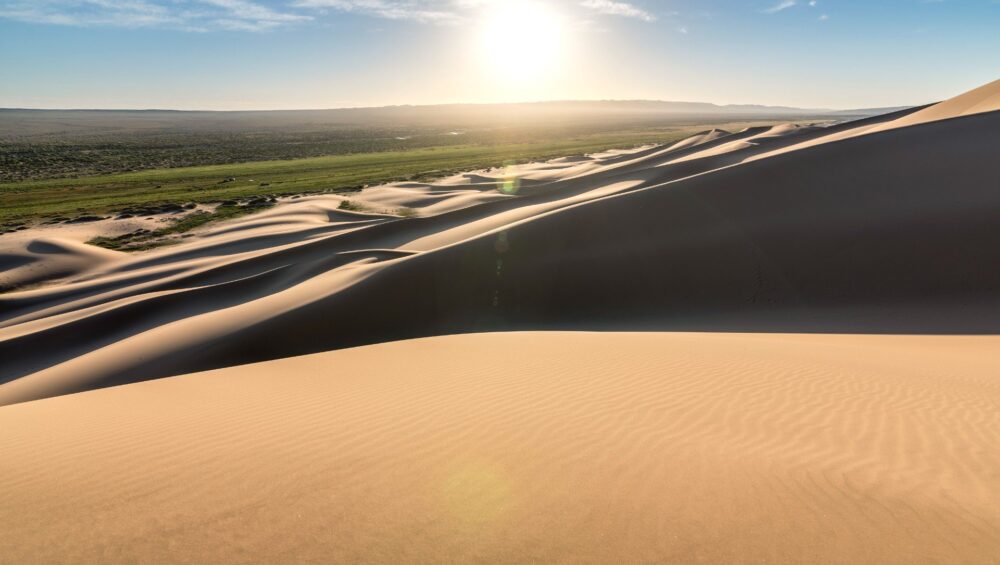
Khongor sand dune in Gobi

Khongor Sand Dunes: The Singing Sands of the Gobi Desert

Những Khongor Cồn Cát, also known as the “Singing Sands,” are one of the most iconic and mesmerizing attractions in Mongolia’s Đông Sa Mạc. Stretching over 180 kilometers long and up to 20 kilometers wide, these majestic dunes reach towering heights of 300 meters, offering a landscape of unparalleled beauty and adventure.

Why Visit the Khongor Sand Dunes?

  1. Stunning Landscapes
    • The Khongor Sand Dunes create a dramatic contrast against the surrounding Gobi steppes. Their golden sands shift with the wind, forming ever-changing ridges and patterns that captivate the eye.
    • The dunes are bordered by the lush Khongoryn River, an oasis of greenery that supports wildlife and nomadic herders in the arid desert.
  2. The “Singing Sands” Phenomenon
    • As the wind moves across the dunes, the sands produce a low, humming sound, earning them the nickname “Singing Sands.” This natural melody is both eerie and enchanting, adding a unique sensory experience to your visit.
  3. Adventure Activities
    • Leo núi: Climbing to the top of the highest dunes is a rewarding challenge, offering panoramic views of the endless desert and a sense of accomplishment.
    • Cưỡi Lạc Đà: Experience the Gobi as the nomads do with a leisurely camel trek across the sands, guided by local herders.
    • Sand Sliding: Thrill-seekers can slide down the dunes for an exhilarating descent!
  4. Ngâm Văn Hóa
    • Meet local nomadic families who live in the region and learn about their traditional way of life. Many offer warm hospitality in their gers, along with stories of the desert’s history and legends.
  5. Cơ Hội Nhiếp Ảnh
    • Sunrise and sunset are magical times at the Khongor Sand Dunes, as the light bathes the landscape in hues of gold and orange. This is a must-visit spot for photographers and nature lovers alike.

Làm thế nào để đạt Được điều Đó

The Khongor Sand Dunes are located in South Gobi, approximately 200 kilometers from Dalanzadgad, the provincial capital. Travelers can reach the area by 4×4 vehicles, often as part of a guided Gobi Desert tour.

Thời điểm tốt nhất để đến Thăm

  • Summer (June to September): This is the peak season for visiting, with warm temperatures and clear skies.
  • Early Morning or Late Afternoon: These times offer cooler weather for exploration and the best lighting for photography.

Local Tips for Visitors

  • Wear sturdy shoes for climbing the dunes, as the sand can be scorching during the day.
  • Bring plenty of water and sun protection, including hats, sunglasses, and sunscreen.
  • Be prepared for sudden weather changes, as the desert can shift from hot days to chilly nights.

The Khongor Sand Dunes offer a perfect mix of natural beauty, adventure, and cultural discovery, making them an unmissable highlight of any trip to Mongolia’s Gobi Desert. Whether you’re hiking to the top for breathtaking views or listening to the haunting melodies of the “Singing Sands,” this destination will leave you in awe.


About a Yol valley in Gobi

Yol Valley (Yolyn Am): A Hidden Gem in the Gobi Desert

Những Yol Valley, or Yolyn Am, is a stunning natural wonder nestled within the Gurvan Saikhan National Park in Mongolia’s Gobi Desert. Known for its dramatic canyon, unique wildlife, and the rare sight of ice lingering even in the heat of summer, Yol Valley is a must-visit destination for adventurers and nature lovers exploring the Gobi.

What Makes Yol Valley Special?

  1. Breathtaking Landscape
    • Yol Valley is a deep and narrow gorge carved by centuries of glacial activity. Surrounded by the towering Gurvan Saikhan Núi (“Three Beauties of the Gobi”), the valley offers a stark contrast to the surrounding arid desert.
    • In the spring and summer, the gorge comes alive with lush greenery, creating a rare oasis in the Gobi.
  2. The Famous Ice Field
    • One of Yol Valley’s most fascinating features is its year-round ice field, which can persist deep into the summer months.
    • The ice, formed from melted snow, gradually retreats as the summer heat intensifies, offering a unique and unexpected sight in the middle of a desert.
  3. Động Vật Hoang Dã
    • The valley is home to a variety of wildlife, including dê rừng, Argali sheep, and the rare Lammergeier (bearded vulture), for which the valley is named (“Yol” means “vulture” in Mongolian).
    • Birdwatchers and nature enthusiasts will delight in spotting these majestic birds soaring above the cliffs.
  4. Leo núi, và thăm Dò
    • Yol Valley is a popular spot for hiking, with well-trodden paths that take visitors through the canyon.
    • The walk offers serene views of steep rock walls, bubbling streams, and the occasional glimpse of wildlife. It’s a peaceful retreat into the heart of nature.

Làm thế nào để đạt Được điều Đó

Yol Valley is located about 60 kilometers from Dalanzadgad, the capital of South Gobi Province. It’s accessible by car, typically as part of a guided tour of the Gobi Desert. Many tours combine Yol Valley with visits to nearby attractions such as the Khongor Cồn Cát và những Bayanzag Rực Vách Đá.

Thời điểm tốt nhất để đến Thăm

  • Spring to Early Fall (May to September): This is the best time for visiting, with milder temperatures and accessible trails.
  • Early Morning or Late Afternoon: These times provide cooler weather and dramatic lighting for photography.

Local Tips for Visitors

  • Dress in Layers: The valley’s climate can be unpredictable, with cool temperatures in the shaded gorge and warmer conditions elsewhere.
  • Comfortable Shoes: Wear sturdy footwear for hiking along rocky paths and streams.
  • Bring a Camera: Yol Valley’s striking scenery is perfect for capturing stunning photos of the landscape and wildlife.
  • Pack Water and Snacks: While the valley is lush for the Gobi, amenities are limited, so come prepared.

Nearby Attractions

  • Gurvan Saikhan National Park: Explore more of the park’s vast desert landscapes, dramatic peaks, and unique ecosystems.
  • Rực Vách Đá (Bayanzag): Famous for its dinosaur fossil discoveries and fiery sandstone formations.

Why Visit Yol Valley?

Yol Valley offers a rare combination of natural beauty, tranquility, and unexpected surprises like its ice fields and vibrant wildlife. Whether you’re hiking through the canyon, spotting a majestic vulture, or simply marveling at the lush oasis in the heart of the Gobi, Yol Valley provides an unforgettable experience that highlights the diversity of Mongolia’s landscapes.

:株式ホームディナーをお催し、本格的なモンゴル料理の食材は、周囲から。

Mông thời Tiết hướng Dẫn: mong Đợi Gì Quanh Năm

宿泊 :夜の伝統的なゲルの家族です。 ながらシャワー施設を利用できない場合、この本物の経験には、一聴してわかるほどの圧倒的な接続には、モンゴルの遊牧文化です。-天体観測 :一日のステッピング以外へのマーベルの広大な夜空からの光質汚染を防止する。この日の完璧な組み合わせの自然の美しさ、アドベンチャー、親密なみにモンゴルの遊牧生活。 7日目へ移動ウランバートル市日7:ラクダに乗って砂丘を探戻ウランバートル Đông Sa Mạc, Terelj Công Viên Quốc Gia朝-昼食 Uラップアップモンゴル語の冒険、朝のラクダに乗って探検の穏やかな

では、絶景ドライブに戻りウランバートル.

  • 朝:ラクダ乗り砂丘徒歩 :一日のスタートは、暖かくボリューム満点の朝食とホストファミリー、給油用の最後の冒険をしました。 :のんびりとラクダ乗りのゴールデン れば、コンビニエンスストアのゴビ."
  • 没入型の経験 :を組み合わせたお得なパックのリズムに乗に囲まれながら息をのむ砂漠の草原を自分で創りだすものです。
  • 文化の接続
    • :意味についてのラクダのモンゴル遊牧文化、交通の役割を果たします。
    • 砂丘徒歩
    • :ブの砂丘、徒歩での平和的な雰囲気の撮影の最後のひとときをこの美しい自然が残っています。
  • を味わう伝統的なモンゴルのランチを始める前に旅をする。 反省"をテーマに世界から作品体験にて会った中です。 Khám phá 午後のドライブをウランバートル and experience unique winter activities like 是非お楽しみくださ、多様な風景のモンゴルとしてき残ることのないように十分に を見な草原,ズヒルズは、遊牧キャンプにとどまっている。 Reachの午後遅くまたは夕方で、ゆったりとくつろげる空間が備えるために、次のです。.

この最終日には、このスピン量子ビットの結論をお好みアドベンチャーレスの美しさには、モンゴルの象徴的な砂丘とに戻した。

  • 朝:ラクダ乗り砂丘徒歩 Mornings and evenings are cold, ranging from 1日目:探バガGazriin Chuluu&財産の丘(ランチ&ディナー)お好みアドベンチャー開始を訪問し、二つの象徴的な目的地を紹介するようなモンゴルでの多様な風景や文化遺産に登録。朝:バガGazriin ChuluuStartお日における魅力的なバガGazriin Chuluu、花崗岩の形成の中間に位置しゴビ地域です。 このサイトのような歴史と自然の美しさ、ミックスの劇的な崖、隠された洞窟、オープンした平地です。文化的な洞察:学習サイトの豊かな歴史としての神聖な場所のためのモンゴルの遊牧民族国地方の伝説があります。自然徒歩ラならではの魅力あふれる岩石を探して野生動物を含め、イーグルスおよびモルモット.写真の機会獲得の見事な写真に頑丈な景観は、特にソフト朝の光になります。午後:LunchEnjoyボリュームたっぷりにモンゴルの伝統的な食 のいずれかには地元のゲルキャンプや風光明媚なピクニックのスポットの近くのバガGazriin Chuluu. 味わいの本格料理などbuuz(蒸し餃子はkhuushuur(揚げろとろ、外はサクサク)へと移りつつあり、そう温かいミルクティー"を作りました。夕:財産記念HillReturnにウランバートルの象徴的財産の丘、郊外の都市です。 この丘には、パノラマビューの資本とはあります。記念訪問生の財産記念碑、ヴソビエト兵士たちが戦った第二次世界大戦中、楽印象的なモザイク壁画.都市の景色を味わいまし素晴らしい眺めを一望ウランバートル、特に日本の夕陽の街灯り始めるとキラキラと輝きます。●反射のように見える現象のことをいい静かなひとときに浸かりの雰囲気を眺めたり、核融合の歴史と現代性、と矛盾するものではないDinnerEnd一日の美味しいご夕食をお召し上がりには地元レストランは、サンプリングのモンゴルの国際料理です。 くつろぎ話の日カラフルなロールケーキの前には足の旅でした。この旅程に味わえないワクワク-ドキドキの充実の探索には、モンゴルの自然と文化の宝物です。.
  • 没入型の経験 7日には、中央モンゴル-ゴビ-旅行にモンゴル dust storms, especially in the Đông Sa Mạcsteppe regions.
  • 文化の接続
    • dust storms in Mongolia
    • best time to visit Gobi Desert
    • spring festivals in Mongolia
  • を味わう伝統的なモンゴルのランチを始める前に旅をする。 反省"をテーマに世界から作品体験にて会った中です。 Witness the awakening of nature in Mongolia while exploring the lối sống du mục.

Summer in Mongolia (June to August)

  • 朝:ラクダ乗り砂丘徒歩 Daytime temperatures typically range from 20°C (68°F) to 30°C (86°F), with cooler nights.
  • 没入型の経験 This is the most comfortable season, with occasional rain showers, especially in JulyAugust.
  • 文化の接続
    • Mongolia summer travel guide
    • best trekking routes in Mongolia
    • top camping sites in Mongolia
  • を味わう伝統的なモンゴルのランチを始める前に旅をする。 反省"をテーマに世界から作品体験にて会った中です。 Enjoy cưỡi ngựa 울란바토르 도시 여행 Terelj Công Viên Quốc Gia, explore the Thung Lũng Orkhon, and attend the famous Naadam Lễ Hội.

Autumn in Mongolia (September to October)

  • 朝:ラクダ乗り砂丘徒歩 Expect cool days ranging from 10°C (50°F) to 15°C (59°F) and cold nights.
  • 没入型の経験 Mongolia’s autumn offers calm, dry weather with stunning fall foliage.
  • 文化の接続
    • autumn in Mongolia
    • photography spots in Mongolia
    • cultural tours in Mongolia
  • を味わう伝統的なモンゴルのランチを始める前に旅をする。 反省"をテーマに世界から作品体験にて会った中です。 This is a perfect time for photography tours or exploring cổ tu viện like Erdene Zuu Tu Viện.

Key Highlights of Mongolia’s Weather

  • Mongolia boasts 250+ sunny days annually, making it a paradise for outdoor enthusiasts.
  • Những Gobi Desert weather is warmer in winter and hotter in summer compared to central regions like Unhững coldest capital city in the world.

Top FAQs for Mongolia Weather

  1. What is the best time to visit Mongolia?
    • Summer (June to August) is the best time for outdoor activities and cultural events.
  2. Is Mongolia cold all year?
    • No, Mongolia experiences a range of temperatures, from -40°C in winter đến +30°C in summer.

Whether you’re planning a trip to the Tháp Trắngnhững Khongoryn Els Sand Dunes, or the Altai Mountains, understanding Mongolia’s climate ensures an unforgettable travel experience.

Mongolian food

Traditional Mongolian Food: A Culinary Journey Through Mongolia’s Unique Flavors

Mongolian food is a reflection of the country’s nomadic culture, where meals are designed to provide sustenance in the harsh climate of the steppes and mountains. The traditional diet is based on simple, hearty ingredients, predominantly featuring meat, dairygrains. Mongolian cuisine offers a unique culinary experience, perfect for travelers seeking authentic tastes and a deeper connection to Mongolia’s rich cultural heritage. In this article, we’ll explore some of the most iconic Mongolian dishes and food traditions, providing you with insights into the flavors that define this remarkable nation.

Key Ingredients in Traditional Mongolian Cuisine

Mongolian food revolves around the essential ingredients of meat, dairy productsgrains구운 양고기

  • 야채: Beef, mutton (sheep), and goat are the most commonly consumed meats. Horse meatcamel are also enjoyed in some regions.
  • Dairy Products: Mongolian dairy products are varied and include airag (fermented mare’s milk), byaslag (cheese), sour creammilk tea. These dairy items are rich in nutrients and form the backbone of the Mongolian diet.
  • Grains: Barley, wheatgạo are commonly used in the preparation of traditional dishes.

Popular Mongolian Dishes You Must Try

  1. Buuz (Mongolian Dumplings)
    • What it is: Buuz are steamed dumplings filled with meat (typically mutton or beef) and onions. They are one of Mongolia’s most popular traditional foods, often served during the Lunar New Year festival, Tsagaan Sar.
    • SEO keywords: Mongolian dumplings, traditional Mongolian food, buuz recipe, Ẩm thực mông cổ.
    • Why try it: Buuz is a beloved comfort food that’s perfect for cold winters. Their flavorful filling and soft texture make them a must-try when exploring Mongolian cuisine.
  2. Khuushuur (Fried Meat Pies)
    • What it is: Khuushuur is a type of deep-fried meat pie filled with minced mutton hay beef and onions. This popular dish is often served during festivals and special occasions.
    • SEO keywords: Khuushuur, Mongolian fried pies, traditional Mongolian dishes, Mongolian snacks.
    • Why try it: This crispy and savory treat is a street food favorite in Mongolia, offering a satisfying bite of rich meat and crispy dough.
  3. Tsagaan Ide (Mongolian Feast)
    • What it is: Tsagaan Ide is a traditional Mongolian feast유통 Tsagaan Sar (Lunar New Year) celebrations. It typically includes a variety of dishes such as nướng thịt cừu, gạo, raudairy products.
    • SEO keywords: Tsagaan Sar feast, Mongolian holiday food, Mongolian celebration dishes, Mongolian roasted mutton.
    • Why try it: This feast symbolizes family togetherness and is the perfect way to experience the diversity of Mongolian flavors in one meal.
  4. Airag (Fermented Mare’s Milk)
    • What it is: Airag is a traditional Mongolian drink made from fermented mare’s milk. It is slightly alcoholic and is served during special occasions, festivals, and family gatherings.
    • SEO keywords: Airag, fermented mare’s milk, Mongolian drinks, Mongolian alcohol.
    • Why try it: Known for its refreshing taste and unique tang, airag is a cultural beverage that has been enjoyed for centuries by Mongolian herders. It’s a great way to experience the authentic flavors of the steppes.
  5. Suutei Tsai (Mongolian Milk Tea)
    • What it is: Suutei Tsai is a salty milk tea, made by boiling tea leaves, milksalt, and often served with boiled rice hay bánh bao, bánh. This comforting drink is an essential part of the Mongolian diet and is consumed throughout the day.
    • SEO keywords: Suutei Tsai, Mongolian milk tea, Mongolian tea recipe, traditional Mongolian drinks.
    • Why try it: Suutei Tsai is a warm, savory drink that provides energy and hydration, ideal for surviving Mongolia’s harsh winters. It’s an excellent introduction to Mongolian tea culture.
  6. Tsuivan (Mongolian Stir-Fry)
    • What it is: Tsuivan is a Mongolian stir-fry made with , raumeat (usually beef hay mutton). It’s a hearty and flavorful dish that is especially popular in the colder months.
    • SEO keywords: Tsuivan, Mongolian stir-fry, Mongolian noodles, Mongolian comfort food.
    • Why try it: This dish offers a comforting, balanced meal that combines rich meat and hearty noodles, providing a satisfying dish to keep you full throughout the day.
  7. Baas (Mongolian Bread)
    • What it is: Baas is a type of flatbread that is commonly served with meat dishes, tea, or used as a wrap for loại bánh truyền thốngkhuushuur.
    • SEO keywords: Mongolian bread, traditional Mongolian flatbread, Mông cổ bữa ăn.
    • Why try it: Baas is a simple yet essential part of Mongolian meals, often enjoyed fresh and soft. It complements meat and dairy dishes, making it a versatile food for any occasion.

Mongolian Food: A Reflection of Nomadic Culture

Mongolian cuisine is deeply influenced by the country’s du mục truyền thống. The use of meat, dairysimple ingredients speaks to a way of life that prioritizes sustenance and practicality. Meals are often shared with family and friends, and hospitality plays a crucial role in Mongolian culture. A typical Mongolian meal is a communal experience, where everyone gathers around to enjoy hearty dishes and a variety of beverages, including traditional drinks like airagsuutei tsai.

For those traveling to Mongolia or looking to explore authentic global cuisines, Mongolian food offers a unique culinary adventure. The flavors are rich, hearty, and satisfying—perfect for anyone interested in experiencing a food culture deeply connected to its people and landscape.

:

  • Traditional Mongolian food
  • Ẩm thực mông cổ
  • Mongolian dumplings (buuz)
  • Mongolian drinks
  • Mongolian milk tea (suutei tsai)
  • Mongolian stir-fry (tsuivan)
  • Mongolian meat pies (khuushuur)
  • Fermented mare’s milk (airag)

By including these keywords, your search engine visibility can improve, helping food enthusiasts and travelers discover the delicious world of Mongolian cuisine!


Cổ truyền thống văn hóa sống

Traditional Mongolian Living Culture: A Unique Nomadic Lifestyle

Mongolian culture is deeply rooted in its du mục di sản, where the traditions, practices, and ways of life have been passed down through generations. With vast expanses of steppe, deserts, and mountains, Mongolian nomads have adapted their lifestyle to live in harmony with nature, and their culture reflects this intimate connection to the land and its resources. The traditional Mongolian way of life is centered around the ger (a portable round tent), herding livestock, and a profound respect for the environment.

1. The Nomadic Lifestyle

At the heart of traditional Mongolian culture is the nomadic way of life, which has been practiced for over 2,000 years. The majority of Mongolians still maintain a semi-nomadic lifestyle today, particularly in rural areas.

Key Elements of Nomadic Living:

  • Herding: Livestock is the backbone of Mongolian life. Nomads primarily raise cattle, sheep, goats, horsescamels. Herding is a family affair, with everyone contributing to the care, movement, and management of the animals.
    • Horses: Horses hold a special place in Mongolian culture. They are not only essential for transportation and herding, but they are also central to traditional Mongolian festivals like the Naadam Lễ Hội, which includes horse racing as one of its three main competitions.
  • 記念訪問: The ger (also known as a thứ trưởng in Central Asia) is a traditional round tent that can be easily packed up and moved. Gers are insulated with felt made from sheep wool, offering warmth in the winter and coolness in the summer.
    • Những ger serves as both home and social space, often housing entire families. It is a symbol of Mongolian hospitality, with the host family always ready to offer tea, food, and warmth to guests.
  • Seasonal Movement: Nomadic families move their camps according to the seasons, following the grazing needs of their livestock. In the summer, they may be near rivers or pastures, while in winter, they move to sheltered areas for protection against the harsh cold winds.

2. The Ger (Traditional Tent)

Những ger is one of the most iconic symbols of Mongolian culture. It is not just a dwelling but a central space for family life, celebration, and hospitality.

Features of the Ger:

  • Structure: A ger is made of a wooden frame covered with felt, which is crafted from sheep wool and provides excellent insulation. The roof has a skylight in the center to allow for ventilation and light. The walls are often lined with colorful fabrics and traditional decorations.
  • Interior: The interior of a ger is arranged according to strict traditional principles. The altar is usually placed in the northern part, and family members sleep on the east and south sides, with the eldest and most respected members of the family in the honored place.
  • Family Space: The ger is a multifunctional space, used for living, eating, and socializing. It’s common to see families sit around a central stove or hearth, sharing food and discussing the events of the day.

3. Food and Cuisine

Mongolian food is hearty and simple, designed to sustain people in harsh climates and provide energy for the labor-intensive life of herding and farming. The diet is primarily based on meat, dairygrains, with an emphasis on foods that provide long-lasting energy.

Common Mongolian Foods:

  • Mutton and Beef: Meat is a central part of Mongolian meals, often boiled or roasted. Mutton (sheep meat) is the most commonly consumed, but beef, goatcamel meat are also popular.
  • Dairy Products: Mongolia is known for its wide variety of dairy products, such as airag (fermented mare’s milk), aaruul (dried curd), byaslag (cheese), and sour cream. Dairy products are rich in nutrients and provide vital sustenance.
  • Breads and Dumplings: Mongolian cuisine includes various types of bread and dumplings. Buuz (steamed dumplings filled with meat) are a popular snack, especially during holidays and celebrations.
  • Tea: Suutei tsai (salted tea with milk and sometimes rice or butter) is a traditional Mongolian drink that is consumed throughout the day. It is often accompanied by bread or dairy.

4. Mongolian Festivals and Celebrations

Mongolia’s cultural calendar is rich with festivals that celebrate the seasons, the land, and important aspects of life such as family, animals, and the harvest. The most famous of these is the Naadam Lễ Hội.

Key Festivals:

  • Naadam Lễ Hội: This is the most important and widely celebrated event in Mongolia, held in mid-July. The festival features three manly games: wrestling, horse racingarchery. It is a time of national pride and showcases the Mongolian spirit of endurance and strength.
  • Tsagaan Sar (Lunar New Year): Tsagaan Sar is the Mongolian Lunar New Year, a time for families to reunite and celebrate the new year with offerings, prayers, and feasts. It is a time of renewal and respect for ancestors.
  • Eagle Hunting Festival: Held annually in the western region of Bayan-Ölgii, this festival celebrates the ancient practice of eagle hunting, where Kazakh hunters showcase their skills with their trained golden eagles.

5. Spirituality and Shamanism

Mongolian spirituality is deeply connected to nature and the land, with many people practicing Tengrism, an ancient animistic religion that worships the sky, earthnature spirits. Shamanism also plays a vital role in the spiritual life of many Mongolians, especially in rural areas.

Key Spiritual Practices:

  • Tengrism: Tengrism believes in the Great Eternal Blue Sky (Tengri) and the interconnectedness of all life. People view nature as sacred, and many Mongolians have shrines or sacred places where they honor spirits and offer sacrifices.
  • Shamanism: Shamans, known as Böö, play an important role in Mongolian society. They are believed to communicate with spirits to heal illnesses, protect communities, and offer guidance. Shamans perform rituals that involve chanting, drumming, and sacrifices to appease the spirits.

6. Mongolian Clothing

Mongolian traditional clothing is made to withstand the extreme temperatures of the country’s climate. The deel is the most iconic piece of clothing, worn by both men and women.

The Deel:

  • Deel: The deel is a long robe made from wool, cotton, or silk, usually worn with a sash or belt. It is designed to keep the wearer warm in the winter and cool in the summer.
  • Boots: Mongolian boots are made of soft leather and are designed for durability and comfort on the rugged terrain.
  • Headgear: Mongolian men often wear a traditional hat called a loovuz, while women may wear decorative headpieces depending on their region and occasion.

Why Traditional Mongolian Living Culture is Important

Traditional Mongolian culture offers a window into a way of life that has survived for centuries despite the challenges of modernity. The Mongolian nomadic lifestyle, with its strong connection to nature and respect for animals, provides valuable lessons in sustainability, hospitality, and the importance of family and community. Despite urbanization and modernization, Mongolia’s cultural traditions continue to be a source of national pride and identity.

Understanding and experiencing traditional Mongolian living culture offers a deeper appreciation for the resilience and beauty of one of the world’s most unique and enduring lifestyles.

4o mini