당신이 비자가 필요 몽골?

Entry Requirements for Mongolia: A Complete Guide for Travelers

Planning a trip to Mongolia? Understanding the entry requirements is essential to ensure a smooth journey. From visa policies to travel documents, this guide covers everything you need to know about entering Mongolia.

당신이 비자가 필요 몽골?

Visa-Free Entry

Citizens of certain countries can enter Mongolia without a visa for tourism or short stays. The duration of visa-free entry varies depending on your nationality:

  • 30 Days: Citizens of countries like the United States, Canada, Japan, and South Korea.
  • 90 Days: Citizens from Kazakhstan, Belarus, and Kyrgyzstan.
  • 21 Days: Citizens of the Philippines.

Always check the latest visa-exemption list to confirm your eligibility.

Visa on Arrival

Mongolia offers a visa-on-arrival option for travelers who:

  • Do not have access to a Mongolian embassy or consulate.
  • Have an official invitation from a Mongolian entity.

To apply for a visa on arrival, you must:

  1. Pre-register with the Mongolian Immigration Agency.
  2. Carry all necessary documents, including a passport, application form, and invitation letter.

E-Visa

Mongolia’s e-visa system allows travelers to apply for a visa online. The process is straightforward and available for tourists, business travelers, and transit visitors. Approved e-visas are sent via email and must be printed for presentation upon arrival.

Regular Visa

If you’re not eligible for visa-free entry or an e-visa, you must apply for a visa at your nearest Mongolian embassy or consulate. Required documents include:

  • A valid passport with at least six months’ validity.
  • Completed visa application form.
  • Recent passport-sized photos.
  • Proof of travel plans (flight tickets and accommodation bookings).

Passport Requirements

Your passport must:

  • Be valid for at least six months from the date of entry.
  • Have at least one blank page for visa stamps.

Additional Entry Requirements

  1. Travel Insurance: While not mandatory, travel insurance covering medical emergencies is strongly recommended.
  2. COVID-19 Guidelines: Travelers should check the latest COVID-19 entry requirements, including vaccination or testing protocols, as these may vary.
  3. Customs Declarations: Declare items such as cash exceeding $10,000 USD or valuable goods when entering Mongolia.

Overstaying in Mongolia

Overstaying your visa can lead to fines or restrictions on future travel to Mongolia. If you need to extend your stay, visit the Mongolian Immigration Agency before your visa expires.

Arriving in Mongolia

Most international travelers arrive at Chinggis Khaan International Airport (UBN) in Ulaanbaatar. Ensure you have:

  • Your passport and visa (if applicable).
  • Proof of onward or return travel.
  • Accommodation details.

Conclusion

Mongolia offers a straightforward entry process for most travelers, whether through visa-free policies, e-visas, or regular visas. By preparing your travel documents and staying updated on current requirements, you can focus on enjoying your adventure in this breathtaking country.


  • Entry requirements for Mongolia
  • Mongolia visa policy
  • Do I need a visa for Mongolia?
  • Mongolia e-visa application
  • Mongolia customs and immigration
  • Passport requirements for Mongolia
  • Travel to Mongolia COVID-19 guidelines
  • Visa-free countries for Mongolia

#MongoliaTravel#VisitMongolia#MongoliaVisa 독일#MongoliaAdventure#ExploreMongolia#VisaFreeTravel#MongolianCulture#TravelRequirements

무슨의 주요 휴일에서 몽골?

무슨의 주요 휴일에서 몽골?

Mongolia is a land of fascinating traditions and vibrant celebrations. Its calendar is filled with holidays that reflect the country’s rich history, nomadic culture, and spiritual heritage. Knowing about the major holidays in Mongolia can help travelers plan their visits and immerse themselves in local customs. Below is a guide to the most significant holidays celebrated across Mongolia.

1. Tsagaan Sar (Lunar New Year)

Tsagaan Sar 거나,몽골어 음력 설날,하나의 가장 중요한 holidays in 몽골. 일반적으로 축 월 말 또는 월,이 휴가의 시작을 표 시한 음력 달력.

Key Traditions:

  • Families clean their homes to start the year afresh.
  • Traditional foods such as buuz (steamed dumplings) and dairy products are served.
  • Elders are honored with traditional greetings and gifts.

2. Naadam Festival

Held annually from July 11th to 13th, the Naadam Festival is a nationwide celebration of Mongolia’s cultural heritage. Known as the “Three Games of Men,” this festival showcases traditional sports: wrestling, horse racing, and archery.

하이라이트:

  • Colorful opening ceremonies featuring traditional music and dance.
  • Competitions in wrestling, archery, and horse racing.
  • Festivities in both Ulaanbaatar and rural areas.

3. Independence Day (National Day)

Celebrated on November 26th, Independence Day marks Mongolia’s declaration of independence from Chinese rule in 1924.

Events:

  • Official ceremonies and speeches.
  • Patriotic parades and cultural performances.
  • Reflection on Mongolia’s history and achievements.

4. Buddha’s Birthday (Vesak)

Buddha’s Birthday, known as Vesak, is a significant religious holiday celebrated by Mongolia’s Buddhist community. The date varies depending on the lunar calendar.

Observances:

  • Prayers and rituals at monasteries.
  • Acts of kindness and charity.
  • Cultural and spiritual events honoring the life of Buddha.

5. Genghis Khan’s Birthday

Celebrated in early November, this holiday honors Mongolia’s legendary leader, Genghis Khan, who founded the Mongol Empire.

활동:

  • Commemorative ceremonies.
  • Exhibitions and lectures about Genghis Khan’s life and legacy.
  • Nationwide pride in Mongolia’s historical achievements.

6. New Year’s Eve and New Year’s Day

Like many countries, Mongolia celebrates New Year’s Eve on December 31st and New Year’s Day on January 1st. It’s a time for family gatherings and festive parties.

Celebrations:

  • Fireworks displays in Ulaanbaatar and other cities.
  • Festive meals and entertainment.
  • Reflection on the past year and hopes for the future.

Conclusion

Mongolia’s holidays provide a unique window into the country’s rich cultural tapestry. Whether it’s the joyous celebrations of Tsagaan Sar or the athletic competitions of Naadam, these events offer travelers unforgettable experiences. By aligning your visit with these major holidays, you can gain a deeper appreciation for Mongolian traditions and hospitality.


  • Major holidays in Mongolia
  • Mongolian festivals and traditions
  • Naadam Festival in Mongolia
  • Tsagaan Sar celebrations
  • Mongolian Independence Day
  • Genghis Khan’s Birthday holiday
  • Buddha’s Birthday in Mongolia
  • New Year’s Eve in Mongolia

#Mongolia #MongolianHolidays #NaadamFestival #TsagaanSar #GenghisKhan #MongolianCulture #TravelMongolia #FestivalsInMongolia #BuddhistCelebrations


Are Mongolian People Friendly Toward Tourists?

Are Mongolian People Friendly Toward Tourists? A Warm Welcome Awaits!

Mongolia, the land of the eternal blue sky, has long been a dream destination for adventurers and culture enthusiasts. If you’re considering visiting this vast and captivating country, you might wonder, Are Mongolian people friendly toward tourists? The short answer is a resounding yes! Mongolians are known for their hospitality, warmth, and deep respect for guests. Let’s explore why Mongolia is one of the most welcoming destinations in the world.


1. The Spirit of Nomadic Hospitality

Mongolia’s nomadic traditions have shaped a culture of unparalleled hospitality. In the countryside, where vast steppes stretch endlessly, nomads often welcome travelers into their gers (traditional felt tents) without hesitation. It’s customary to offer food, tea, and even a place to stay overnight. This tradition, known as “guest rights,” is deeply ingrained in Mongolian culture.

팁:는 경우에 초대 ger 기억을 받아들이 제물은 정중하고 그들의 관습을 따라,다음과 같 피에 스테핑입니다.


2. Urban Friendliness in Ulaanbaatar

In Mongolia’s capital, Ulaanbaatar, the atmosphere is equally welcoming. While the city is more fast-paced than the countryside, locals are generally friendly and eager to help tourists. Many young Mongolians speak English, making communication easier. Whether you’re asking for directions or recommendations, you’ll likely be met with a smile.


3. Respect for Foreigners

Mongolians take great pride in their heritage and are enthusiastic about sharing their traditions with visitors. From participating in 를 비롯해 여러 지역 축제 to learning about the history of 징기스칸, locals often go out of their way to ensure tourists have a memorable experience.

Hashtags: #MongolianCulture #TravelMongolia #NomadicLifestyle


4. Cultural Tips for Tourists

To make the most of your trip and connect with locals, keep these cultural tips in mind:

  • Bring a small gift: If staying with a nomadic family, a small token like candy or tea is appreciated.
  • Learn basic phrases: Knowing a few words like “Sain bain uu? (Hello)” and “Bayarlalaa (Thank you)” goes a long way.
  • Respect traditions: For example, always receive items with your right hand and avoid pointing your feet at people.

Hashtags: #MongoliaTravelTips #CulturalRespect #TravelSmart


5. Why Tourists Love Mongolia

  • Adventure Opportunities: From trekking in the Altai Mountains to exploring the Gobi Desert, Mongolia offers unparalleled adventure.
  • Unique Experiences: Stay in a ger, ride horses, or witness the eagle hunters of western Mongolia.
  • Affordable Travel: Compared to many destinations, Mongolia offers budget-friendly options without compromising quality.

Hashtags: #VisitMongolia #GobiDesertAdventures #ExploreNomadicLife


Conclusion: A Heartwarming Experience

Whether you’re exploring the bustling streets of Ulaanbaatar or the serene landscapes of the steppe, Mongolians’ warmth and hospitality will make your journey unforgettable. Their respect for visitors, combined with a rich cultural heritage, ensures that you’ll not only feel welcome but also leave with lasting memories.

If you’ve been considering a trip to Mongolia, now’s the time to pack your bags and experience the friendliness firsthand.

Hashtags: #FriendlyMongolia #MongoliaAdventure #TravelWithHeart

What Is Mongolia Famous For?

Mongolia, the land of blue skies and endless steppes, is a country that captivates travelers with its unique blend of natural beauty, rich history, and vibrant culture. Here’s a closer look at what makes Mongolia famous, complete with Google SEO keywords to ensure your blog gets noticed.

1. Nomadic Culture

Mongolia is world-renowned for its nomadic lifestyle. About 30% of the population continues to live as nomads, moving with their herds across the vast steppes. Visitors can experience this firsthand by staying in traditional Mongolian gers and joining herders in their daily routines.

2. The Gobi Desert

고비 사막의 is one of the most famous deserts in the world, known for its dramatic landscapes, towering sand dunes, and unique wildlife. Visitors can explore the 불타는 절벽, where dinosaur fossils have been discovered, or embark on a camel trek across the sands.

3. Genghis Khan and the Mongol Empire

Mongolia is the birthplace of 징기스칸, the legendary founder of the Mongol Empire. His legacy is celebrated throughout the country, from the towering Genghis Khan Statue Complex near Ulaanbaatar to the ancient ruins of 카라코람, the empire’s former capital.

4. Khuvsgul 호수

Known as the “Blue Pearl of Mongolia,” Khuvsgul 호수 is a pristine alpine lake surrounded by forested mountains. It’s a haven for nature lovers, offering opportunities for hiking, kayaking, and horse trekking.

5. The Naadam Festival

Mongolia’s 를 비롯해 여러 지역 축제 is a UNESCO-recognized event held annually in July. This traditional festival showcases the “Three Manly Games” – wrestling, horse racing, and archery. It’s a vibrant celebration of Mongolian culture and heritage.

6. Vast Steppes and Open Skies

Often called the “Land of Eternal Blue Sky,” Mongolia boasts over 250 sunny days a year. The endless steppes and dramatic landscapes create a sense of freedom and adventure that’s unmatched anywhere else in the world.

7. Wildlife and Nature

From the elusive snow leopard in the Altai Mountains to the wild horses of Hustai 국립공원, Mongolia is a treasure trove of unique wildlife. Bird watchers and nature enthusiasts will find plenty to admire.

8. Buddhist Heritage

Mongolia is home to stunning Buddhist monasteries, such as Gandan Monastery in Ulaanbaatar and the Erdene Zuu 원 in Karakorum. These sites offer a glimpse into the country’s spiritual side and its Tibetan Buddhist traditions.

Best Time to Visit Mongolia

The best time to explore Mongolia is from June to September, when the weather is warm and the countryside is lush. Winter visits, however, offer a chance to experience unique events like the Ice Festival at Khuvsgul Lake.

Conclusion

Mongolia’s fame lies in its unspoiled natural landscapes, rich nomadic culture, and historical significance. Whether you’re an adventurer, history buff, or cultural enthusiast, Mongolia offers a once-in-a-lifetime experience.


Hashtags for Social Media:

#DiscoverMongolia #MongoliaTravel #GobiDesert #NomadicCulture #VisitMongolia #NaadamFestival #KhuvsgulLake #GenghisKhan #TravelAsia

를 타고하는 방법을 말 몽골

를 타고 몽고 말한 경험,그리고 이러한 하디는 말 중요한 부분이되었습의 유목 몽고 삶의 방법입니다. 여기에는 방법에 대한 가이드를 타고 몽고 말:

1. 접근 말:

  • 접근 말 침착하고 있습니다. 에서 말하는 진정 톤을 안심 말입니다.
  • 도록 말을보고 당신의 손에 냄새를 시도하기 전에 터치합니다. 이해하는데 도움이 된 신뢰합니다.

2. 장착:

  • 몽골 말은 일반적으로 보다 작은 많은 서양 품종. 사용 설치 블록 또는 제기한 표면을 더 쉽게 장착되어 있다.
  • 접근 방법의 말에 왼쪽 고삐를 잡고 및 갈기를 위한 안정성이 있습니다.
  • 치에 왼쪽 발에걸이와 자신을 밀어하면서 스윙 오른쪽 다리를 말합니다.

3. 를 타고 위치:

  • 앉아서 깊이가 안장에서 바로 뒤입니다. 몽골 안장에서 다른 서 안장과가 없습니다.
  • 고삐를 잡고 느슨하게 할 수 있도록,말 몇 가지 자유를 유지하면서 제어합니다.

4. 기본 명령:

  • 배우고 기본 명령을 사용하여:
    • "추"또는"추"의미합니다.
    • "Zoh"또는"Juh"정지를 의미한다.
    • "바"의 오른쪽.
    • "Zuun"의 의미를 떠났다.

5. 균형 조정과 이동:

  • 몽골 말은 틀림없는,하지만 그것은 필수적인 균형을 유지합니다. 똑바로 앉고 따라 말한 내용을 확인할 수 있습니다.
  • 다리를 사용하고 몸이 안내하는 말에 전적으로 의존하는 대신 고삐합니다.

6. 를 타고 걸음 걸:

  • 몽고 말한 걸음 걸 포함하여 매끄럽고 빠른 트로트. 연습을 조정하고 이러한 걸음 걸 위해 보다 편안한 승차감을 제공합니다.
  • 에 대비 가끔 버스트의 속도로,특히에서 열린 공간이 있습니다.

7. 해체:

  • 을 때 분리 가지고,말하는 완전한 중지합니다.
  • 스윙 오른쪽 다리를 통해 말하고 부드럽게 내리고,두 발에 착륙.

8. 신뢰 구축:

  • 과 함께 시간을 보내고 말 타기 전에 신뢰를 구축. 정리와 먹을 설정할 수 있습니다.
  • 접근 말 침착하고 갑자기 운동을 피할 수 있는 깜짝 놀란다.

9. 안전 주의 사항:

  • 적절한 라이딩 기어,포함 헬멧.
  • 따라 모든 안전 지침에 의해 제공되는 가이드 또는 강사입니다.

10. 가이드 투어 그 명령:

  • 당신이 초보자 또는 잘 모르,가입을 고려하도 말고 트레킹 또는 수신의 기본을 타고 명령에서 경험이 풍부한 가이드.
  • 가이드 제공할 수 있는 귀중한 통찰력으로 몽고의 마술을 전반적으로 승마 체험.

를 타고 몽고 말을 제공하는 진정한 연결을 유목 문화의 광대한 풍경의하고 있습니다. 을 즐길 수있는 시간을 가지고 경험 및 평가 간의 유대와 말 라이더에서는 전통적인 설정입니다.

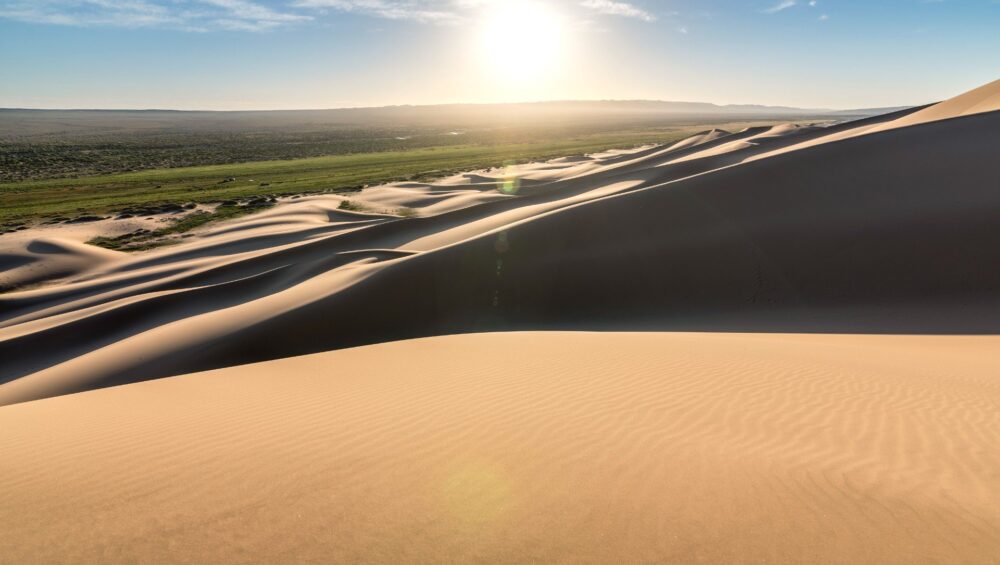
Khongor sand dune in Gobi

Khongor Sand Dunes: The Singing Sands of the Gobi Desert

Khongor 모래 언덕, also known as the “Singing Sands,” are one of the most iconic and mesmerizing attractions in Mongolia’s 고비 사막의. Stretching over 180 kilometers long and up to 20 kilometers wide, these majestic dunes reach towering heights of 300 meters, offering a landscape of unparalleled beauty and adventure.

Why Visit the Khongor Sand Dunes?

  1. Stunning Landscapes
    • The Khongor Sand Dunes create a dramatic contrast against the surrounding Gobi steppes. Their golden sands shift with the wind, forming ever-changing ridges and patterns that captivate the eye.
    • The dunes are bordered by the lush Khongoryn River, an oasis of greenery that supports wildlife and nomadic herders in the arid desert.
  2. The “Singing Sands” Phenomenon
    • As the wind moves across the dunes, the sands produce a low, humming sound, earning them the nickname “Singing Sands.” This natural melody is both eerie and enchanting, adding a unique sensory experience to your visit.
  3. Adventure Activities
    • 하이킹: Climbing to the top of the highest dunes is a rewarding challenge, offering panoramic views of the endless desert and a sense of accomplishment.
    • 낙타를 타고: Experience the Gobi as the nomads do with a leisurely camel trek across the sands, guided by local herders.
    • Sand Sliding: Thrill-seekers can slide down the dunes for an exhilarating descent!
  4. 문화 체험
    • Meet local nomadic families who live in the region and learn about their traditional way of life. Many offer warm hospitality in their gers, along with stories of the desert’s history and legends.
  5. 사진 기회
    • Sunrise and sunset are magical times at the Khongor Sand Dunes, as the light bathes the landscape in hues of gold and orange. This is a must-visit spot for photographers and nature lovers alike.

거기에 도착하는 방법

The Khongor Sand Dunes are located in South Gobi, approximately 200 kilometers from Dalanzadgad, the provincial capital. Travelers can reach the area by 4×4 vehicles, often as part of a guided Gobi Desert tour.

을 방문하는 가장 좋은 시간

  • Summer (June to September): This is the peak season for visiting, with warm temperatures and clear skies.
  • Early Morning or Late Afternoon: These times offer cooler weather for exploration and the best lighting for photography.

Local Tips for Visitors

  • Wear sturdy shoes for climbing the dunes, as the sand can be scorching during the day.
  • Bring plenty of water and sun protection, including hats, sunglasses, and sunscreen.
  • Be prepared for sudden weather changes, as the desert can shift from hot days to chilly nights.

The Khongor Sand Dunes offer a perfect mix of natural beauty, adventure, and cultural discovery, making them an unmissable highlight of any trip to Mongolia’s Gobi Desert. Whether you’re hiking to the top for breathtaking views or listening to the haunting melodies of the “Singing Sands,” this destination will leave you in awe.


About a Yol valley in Gobi

Yol Valley (Yolyn Am): A Hidden Gem in the Gobi Desert

Yol Valley, or Yolyn Am, is a stunning natural wonder nestled within the Gurvan Saikhan National Park in Mongolia’s Gobi Desert. Known for its dramatic canyon, unique wildlife, and the rare sight of ice lingering even in the heat of summer, Yol Valley is a must-visit destination for adventurers and nature lovers exploring the Gobi.

What Makes Yol Valley Special?

  1. Breathtaking Landscape
    • Yol Valley is a deep and narrow gorge carved by centuries of glacial activity. Surrounded by the towering 안에 위치한 산 (“Three Beauties of the Gobi”), the valley offers a stark contrast to the surrounding arid desert.
    • In the spring and summer, the gorge comes alive with lush greenery, creating a rare oasis in the Gobi.
  2. The Famous Ice Field
    • One of Yol Valley’s most fascinating features is its year-round ice field, which can persist deep into the summer months.
    • The ice, formed from melted snow, gradually retreats as the summer heat intensifies, offering a unique and unexpected sight in the middle of a desert.
  3. 야생 동물이 발견
    • The valley is home to a variety of wildlife, including spain, Argali sheep, and the rare Lammergeier (bearded vulture), for which the valley is named (“Yol” means “vulture” in Mongolian).
    • Birdwatchers and nature enthusiasts will delight in spotting these majestic birds soaring above the cliffs.
  4. 하이킹 및 탐사
    • Yol Valley is a popular spot for hiking, with well-trodden paths that take visitors through the canyon.
    • The walk offers serene views of steep rock walls, bubbling streams, and the occasional glimpse of wildlife. It’s a peaceful retreat into the heart of nature.

거기에 도착하는 방법

Yol Valley is located about 60 kilometers from Dalanzadgad, the capital of South Gobi Province. It’s accessible by car, typically as part of a guided tour of the Gobi Desert. Many tours combine Yol Valley with visits to nearby attractions such as the Khongor 모래 언덕Bayanzag 불타는 절벽.

을 방문하는 가장 좋은 시간

  • Spring to Early Fall (May to September): This is the best time for visiting, with milder temperatures and accessible trails.
  • Early Morning or Late Afternoon: These times provide cooler weather and dramatic lighting for photography.

Local Tips for Visitors

  • Dress in Layers: The valley’s climate can be unpredictable, with cool temperatures in the shaded gorge and warmer conditions elsewhere.
  • Comfortable Shoes: Wear sturdy footwear for hiking along rocky paths and streams.
  • Bring a Camera: Yol Valley’s striking scenery is perfect for capturing stunning photos of the landscape and wildlife.
  • Pack Water and Snacks: While the valley is lush for the Gobi, amenities are limited, so come prepared.

Nearby Attractions

  • Gurvan Saikhan National Park: Explore more of the park’s vast desert landscapes, dramatic peaks, and unique ecosystems.
  • 불타는 절벽(Bayanzag): Famous for its dinosaur fossil discoveries and fiery sandstone formations.

왜 방문 Yol Valley?

Yol Valley offers a rare combination of natural beauty, tranquility, and unexpected surprises like its ice fields and vibrant wildlife. Whether you’re hiking through the canyon, spotting a majestic vulture, or simply marveling at the lush oasis in the heart of the Gobi, Yol Valley provides an unforgettable experience that highlights the diversity of Mongolia’s landscapes.

몽골를 비롯해 여러 지역

를 비롯해 여러 지역 축제:문화적 행사에서 몽골

를 비롯해 여러 지역 축제 is one of the most iconic and celebrated events in Mongolia, showcasing the country’s rich cultural heritage and traditional sports. Held every year in 울란바토르 during the summer (typically from July 11th to 13th), the Naadam Festival is a unique celebration that combines the country’s historical significance, traditional Mongolian sports유목생활이. This vibrant festival is a must-experience for those interested in Mongolian culture and history.

Naadam Festival Events: Traditional Sports and Competitions

At the heart of the Naadam Festival are the Three Manly Games: wrestling, horse racingarchery. These sports have deep historical roots in Mongolia, representing strength, endurance, and skill, which are central to the Mongolian identity.

  1. 몽골 레슬링 (Bökh)
    • Wrestling is a major highlight of the Naadam Festival. It’s not just about physical strength; it also reflects Mongolian ideals of resilience and honor. Wrestlers wear traditional outfits and participate in intense matches, often in front of cheering crowds at Naadam stadium.
  2. Horse Racing
    • Horse racing is one of the most anticipated events at the festival, with children typically riding the horses. Races take place across challenging terrains, representing the deep bond Mongolians have with their horses, which have been a vital part of the 유목생활이 for centuries.
  3. Archery
    • Both men and women compete in archery during Naadam. Traditional Mongolian bows and arrows are used, and the competition is a display of precision and skill, reflecting Mongolia’s deep connection to its historical warriors.

Cultural Significance and Historical Roots

Naadam traces its origins back to the 13th century during the time of 징기스칸. Originally, it was a military training exercise and a way for people to celebrate victories. Over time, Naadam transformed into a celebration of Mongolia’s independencecultural pride, marking the foundation of the modern Mongolian state.


  • Mongolian Naadam Festival
  • Naadam Festival 2024
  • Naadam sports
  • Mongolian wrestling
  • Horse racing in Mongolia
  • Mongolian archery competition
  • Ulaanbaatar festivals
  • Traditional Mongolian celebrations
  • Summer in Mongolia
  • Cultural festivals in Mongolia

Why Visit the Naadam Festival?

For travelers, the 를 비롯해 여러 지역 축제 is an opportunity to immerse in Mongolian traditions and witness the spectacle of its traditional sports. It’s not just about the competitions—Naadam also features Mongolian music, dance performances, and the chance to interact with local nomadic communities. You’ll also enjoy the vibrant parades and cultural performances, making it a great introduction to Mongolia’s rich traditions.

당신의 여행을 계획
If you’re looking to experience this vibrant festival, make sure to plan your trip to Mongolia in July to catch Naadam in action. From cultural tours 하기 nomadic experiences, the festival offers a glimpse into the heart of Mongolian life

How is Mongolian weather for travel

몽골 날씨 가이드:무엇을 기대하는 일년 내내

Mongolia, often called the “Land of Eternal Blue Sky”, is famous for its continental climate, characterized by extreme seasonal changes. Whether you’re planning a trip to the 고비 사막의, 든 상징물이 국립공원, or exploring 울란바토르, understanding the weather is essential for your adventure.

Winter in Mongolia (November to February)

  • Temperatures: Winter in Mongolia is extremely cold, with temperatures often plunging to -30°C (-22°F) or lower.
  • Weather: Clear skies dominate, but it’s a dry season with minimal snowfall.
  • Travel Keywords:
    • Mongolia winter travel
    • coldest capital in the world
    • what to pack for Mongolia in winter
  • Travel Tip:frozen landscapes and experience unique winter activities like dog sledding or visiting traditional Mongolian nomads.

Spring in Mongolia (March to May)

  • Temperatures: Mornings and evenings are cold, ranging from -5°C (23°F) to 10°C (50°F).
  • Weather: Mongolia’s spring is known for its dust storms, especially in the 고비 사막의steppe regions.
  • Travel Keywords:
    • dust storms in Mongolia
    • best time to visit Gobi Desert
    • spring festivals in Mongolia
  • Travel Tip: Witness the awakening of nature in Mongolia while exploring the 유목생활이.

Summer in Mongolia (June to August)

  • Temperatures: Daytime temperatures typically range from 20°C (68°F) to 30°C (86°F), with cooler nights.
  • Weather: This is the most comfortable season, with occasional rain showers, especially in JulyAugust.
  • Travel Keywords:
    • Mongolia summer travel guide
    • best trekking routes in Mongolia
    • top camping sites in Mongolia
  • Travel Tip: Enjoy 승마든 상징물이 국립공원, explore the 오르 콘 Valley, and attend the famous 를 비롯해 여러 지역 축제.

Autumn in Mongolia (September to October)

  • Temperatures: Expect cool days ranging from 10°C (50°F) to 15°C (59°F) and cold nights.
  • Weather: Mongolia’s autumn offers calm, dry weather with stunning fall foliage.
  • Travel Keywords:
    • autumn in Mongolia
    • photography spots in Mongolia
    • cultural tours in Mongolia
  • Travel Tip: This is a perfect time for photography tours or exploring 고대 수도원 like Erdene Zuu 원.

Key Highlights of Mongolia’s Weather

  • Mongolia boasts 250+ sunny days annually, making it a paradise for outdoor enthusiasts.
  • Gobi Desert weather is warmer in winter and hotter in summer compared to central regions like 울란바토르이, coldest capital city in the world.

Top FAQs for Mongolia Weather

  1. What is the best time to visit Mongolia?
    • Summer (June to August) is the best time for outdoor activities and cultural events.
  2. Is Mongolia cold all year?
    • No, Mongolia experiences a range of temperatures, from -40°C in winter 하기 +30°C in summer.

Whether you’re planning a trip to the 화이트파이, Khongoryn Els Sand Dunes, or the Altai Mountains, understanding Mongolia’s climate ensures an unforgettable travel experience.

Mongolian food

Traditional Mongolian Food: A Culinary Journey Through Mongolia’s Unique Flavors

Mongolian food is a reflection of the country’s nomadic culture, where meals are designed to provide sustenance in the harsh climate of the steppes and mountains. The traditional diet is based on simple, hearty ingredients, predominantly featuring meat, dairygrains. Mongolian cuisine offers a unique culinary experience, perfect for travelers seeking authentic tastes and a deeper connection to Mongolia’s rich cultural heritage. In this article, we’ll explore some of the most iconic Mongolian dishes and food traditions, providing you with insights into the flavors that define this remarkable nation.

Key Ingredients in Traditional Mongolian Cuisine

Mongolian food revolves around the essential ingredients of meat, dairy productsgrains. The lifestyle of Mongolian herders, who rely on their livestock for food, influences every aspect of the cuisine.

  • Meat: Beef, mutton (sheep), and goat are the most commonly consumed meats. Horse meatcamel are also enjoyed in some regions.
  • Dairy Products: Mongolian dairy products are varied and include airag (fermented mare’s milk), byaslag (cheese), sour creammilk tea. These dairy items are rich in nutrients and form the backbone of the Mongolian diet.
  • Grains: Barley, wheat are commonly used in the preparation of traditional dishes.

Popular Mongolian Dishes You Must Try

  1. Buuz (Mongolian Dumplings)
    • What it is: Buuz are steamed dumplings filled with meat (typically mutton or beef) and onions. They are one of Mongolia’s most popular traditional foods, often served during the Lunar New Year festival, Tsagaan Sar.
    • SEO keywords: Mongolian dumplings, traditional Mongolian food, buuz recipe, 몽골 요리.
    • Why try it: Buuz is a beloved comfort food that’s perfect for cold winters. Their flavorful filling and soft texture make them a must-try when exploring Mongolian cuisine.
  2. Khuushuur (Fried Meat Pies)
    • What it is: Khuushuur is a type of deep-fried meat pie filled with minced 양고기beef and onions. This popular dish is often served during festivals 고 특별한 경우.
    • SEO keywords: Khuushuur, Mongolian fried pies, traditional Mongolian dishes, Mongolian snacks.
    • Why try it: This crispy and savory treat is a street food favorite in Mongolia, offering a satisfying bite of rich meat and crispy dough.
  3. Tsagaan Ide (Mongolian Feast)
    • What it is: Tsagaan Ide is a traditional Mongolian feast, especially prominent during the Tsagaan Sar (Lunar New Year) celebrations. It typically includes a variety of dishes such as 구운 양고기, , 야채dairy products.
    • SEO keywords: Tsagaan Sar feast, Mongolian holiday food, Mongolian celebration dishes, Mongolian roasted mutton.
    • Why try it: This feast symbolizes family togetherness and is the perfect way to experience the diversity of Mongolian flavors in one meal.
  4. Airag (Fermented Mare’s Milk)
    • What it is: Airag is a traditional Mongolian drink made from fermented mare’s milk. It is slightly alcoholic and is served during special occasions, festivals, and family gatherings.
    • SEO keywords: Airag, fermented mare’s milk, Mongolian drinks, Mongolian alcohol.
    • Why try it: Known for its refreshing taste and unique tang, airag is a cultural beverage that has been enjoyed for centuries by Mongolian herders. It’s a great way to experience the authentic flavors of the steppes.
  5. Suutei Tsai (Mongolian Milk Tea)
    • What it is: Suutei Tsai is a salty milk tea, made by boiling tea leaves, milksalt, and often served with boiled rice만두. This comforting drink is an essential part of the Mongolian diet and is consumed throughout the day.
    • SEO keywords: Suutei Tsai, Mongolian milk tea, Mongolian tea recipe, traditional Mongolian drinks.
    • Why try it: Suutei Tsai is a warm, savory drink that provides energy and hydration, ideal for surviving Mongolia’s harsh winters. It’s an excellent introduction to Mongolian tea culture.
  6. Tsuivan (Mongolian Stir-Fry)
    • What it is: Tsuivan is a Mongolian stir-fry made with 국수, 야채meat (usually beef양고기). It’s a hearty and flavorful dish that is especially popular in the colder months.
    • SEO keywords: Tsuivan, Mongolian stir-fry, Mongolian noodles, Mongolian comfort food.
    • Why try it: This dish offers a comforting, balanced meal that combines rich meat and hearty noodles, providing a satisfying dish to keep you full throughout the day.
  7. Baas (Mongolian Bread)
    • What it is: Baas is a type of flatbread that is commonly served with meat dishes, tea, or used as a wrap for buuzkhuushuur.
    • SEO keywords: Mongolian bread, traditional Mongolian flatbread, 몽골 식사.
    • Why try it: Baas is a simple yet essential part of Mongolian meals, often enjoyed fresh and soft. It complements meat and dairy dishes, making it a versatile food for any occasion.

Mongolian Food: A Reflection of Nomadic Culture

Mongolian cuisine is deeply influenced by the country’s 유통. The use of meat, dairy단순 재료 말하는 삶의 방법을 우선시하는 생계 및 실용성이 있습니다. 식사가 종종 가족 및 친구들과 공유하고, hospitality plays a crucial role in Mongolian culture. A typical Mongolian meal is a communal experience, where everyone gathers around to enjoy hearty dishes and a variety of beverages, including traditional drinks like airagsuutei tsai.

For those traveling to Mongolia or looking to explore authentic global cuisines, Mongolian food offers a unique culinary adventure. The flavors are rich, hearty, and satisfying—perfect for anyone interested in experiencing a food culture deeply connected to its people and landscape.

:

  • Traditional Mongolian food
  • 몽골 요리
  • Mongolian dumplings (buuz)
  • Mongolian drinks
  • Mongolian milk tea (suutei tsai)
  • Mongolian stir-fry (tsuivan)
  • Mongolian meat pies (khuushuur)
  • Fermented mare’s milk (airag)

By including these keywords, your search engine visibility can improve, helping food enthusiasts and travelers discover the delicious world of Mongolian cuisine!