いトランジットの場合、ビザは必要にモンゴル?

Entry Requirements for Mongolia: A Complete Guide for Travelers

một trong những tuyệt vời nhất tự nhiên mốc ở Mông cổ. Nằm ở Trung Đông sa Mạc đặc biệt này, đá vôi hình thành giống như một grand tháp, đứng giữa sa mạc rộng lớn cảnh quan.

いトランジットの場合、ビザは必要にモンゴル?

Sáng: hành Trình đến Tháp Trắng

Cảnh Lái Xe

  • Thông qua các vùng đất nổi bật bán khô cằn thảo nguyên của Đông sa Mạc, với những cơ hội để xem động vật hoang dã như linh dương hay những con ngựa hoang dã trên đường đi. Ấn Tượng Đầu Tiên
  • : Đến Tháp Trắng, nơi các nhiều lớp của những vách đá vôi được tiết lộ đầy đủ của họ lộng lẫy. Các lớp này là kết quả của thiên niên kỷ của địa chất hoạt động và màu sắc của sự thay đổi đáng kể dưới điều kiện ánh sáng. Chiều: Khám Phá Tháp Trắng
  • Leo Núi, Đi Phiêu Lưu : Có một hướng dẫn viên đi xung quanh những vách đá, khám phá tự nhiên hang động và độc đáo đá. Các tầm nhìn từ đầu là ngoạn mục, cung cấp một cái nhìn vào những mênh mông của Đông cảnh quan.

Tìm hiểu về các địa phương truyền thuyết và thần thoại liên kết với Tsagaan Suvarga, trong đó có một nơi đặc biệt trong mông cổ dân gian.

Visa on Arrival

Mongolia offers a visa-on-arrival option for travelers who:

  • Sau ngày của bạn của thăm dò đến đó
  • địa phương ger nhà khách

cung cấp thực mông cổ khách sạn với những thiết bị hiện đại.

  1. Pre-register with the Mongolian Immigration Agency.
  2. Carry all necessary documents, including a passport, application form, and invitation letter.

Ngày 4: Khám phá Kharakhorum và Erdene Zuu tu Viện

Bao gồm bữa Sáng, bữa Trưa và bữa ăn Tối

Đắm mình trong Mông cổ phong phú của lịch sử và di sản tinh thần như bạn truy cập cổ của thành phố

If you’re not eligible for visa-free entry or an e-visa, you must apply for a visa at your nearest Mongolian embassy or consulate. Required documents include:

  • : Thư giãn cổ truyền thống ger, trang bị với thoải mái giường ấm áp và một bếp cho một đêm yên tĩnh.
  • Sáng: Đến Kharakhorum
  • Bắt đầu một ngày với một bữa sáng thịnh soạn, tiếp nhiên liệu cho các lịch sử những khám phá phía trước.
  • Lịch Sử Tổng

Tìm hiểu về Kharakhorum, thành lập 1220 bởi thành cát Tư Hãn và sau này phục vụ như vốn thuộc của mình, những người kế nhiệm. Thành phố này là quan trọng trung tâm thương mại, văn hóa và quyền lực trong chiều cao của Đế chế mông Cổ.

Truy cập vào các Erdene Zuu tu Viện

  • Ngạc Nhiên Kiến Trúc
  • : Khám phá

đầu tiên tu viện Phật giáo xây dựng ở Mông cổ, hẹn hò trở lại 1586. Thiết kế của nó kết hợp mông cổ, và ảnh hưởng đến tây Tạng có phức tạp trí tháp và ngôi đền.

  1. Tìm hiểu về tu viện của vai trò như một tâm linh và trung tâm văn hóa của mình, cũng như khả năng phục hồi qua Mông cổ của lịch sử hỗn loạn. Phật Pháp
  2. : Chứng kiến sự thanh thản hàng ngày thói quen của cư dân tu sĩ, bao gồm cả tụng và các nghi lễ. Thưởng thức một bữa ăn trưa truyền thống ở một nhà hàng hoặc ger trại, lấy mẫu món ăn như thế
  3. tsuivan (Mông cổ mì xào) hay

boortsog

(bột chiên ăn nhẹ) kết hợp với các loại đồ uống.

Chiều: Kharakhorum Bảo Tàng

Tour Du Lịch Bảo Tàng

  • một hiện đại và được tuyển chọn lập trưng bày vật từ các thành phố quá khứ huy hoàng.
  • Ngày 3 Lái xe đến tháp Trắng
  • Hiện vật

Conclusion

Mongolia offers a straightforward entry process for most travelers, whether through visa-free policies, e-visas, or regular visas. By preparing your travel documents and staying updated on current requirements, you can focus on enjoying your adventure in this breathtaking country.


  • Entry requirements for Mongolia
  • Tìm hiểu về các thành phố, xây dựng, vai trò của mình trong thương mại quốc tế, và nó suy giảm sau khi thủ đô được chuyển đến Bắc kinh.
  • Hiển Thị Tương
  • : Thưởng thức một bữa tối hoàn thành với cả hai mông cổ món ăn truyền thống và hiện đại hương vị, chuẩn bị bởi những người giỏi đầu bếp địa phương.
  • : Dành buổi tối trong ám ảnh về lịch sử phong phú của các quốc như các bạn thư giãn trong một khung cảnh thoải mái.
  • Ngày này, một sự pha trộn của lịch sử, tâm linh, và văn hóa, đưa bạn đến gần hơn để Mông cổ hấp dẫn di sản.
  • Ngày 5 Lái xe đến thung lũng Orkhon thác nước
  • Visa-free countries for Mongolia

#MongoliaTravel #VisitMongolia #MongoliaVisa #TravelTips #MongoliaAdventure #ExploreMongolia #VisaFreeTravel #MongolianCulture #TravelRequirements

その主な祝日にモンゴル?

その主な祝日にモンゴル?

: Truy cập những gì còn lại của một tu viện cũ, ẩn mình trong công viên, được cung cấp một cái nhìn vào Mông cổ phong phú của lịch sử và tinh thần truyền thống.

Thưởng thức một vừa chuẩn bị bữa ăn trưa trong công viên, được bao quanh bởi các thanh thản vẻ đẹp của Mông cổ là hoang dã.

Tsagaan Sarのモンゴル語の期間は旧正月期間は最も重要なの休日モンゴル. 通常、祝月下旬には、この休日の始まりは、旧暦.

Chiều: Elsen Tasarkhai Cồn Cát

  • "Mini-Đông" Kinh Nghiệm
  • : Người đứng đầu
  • Elsen Tasarkhai

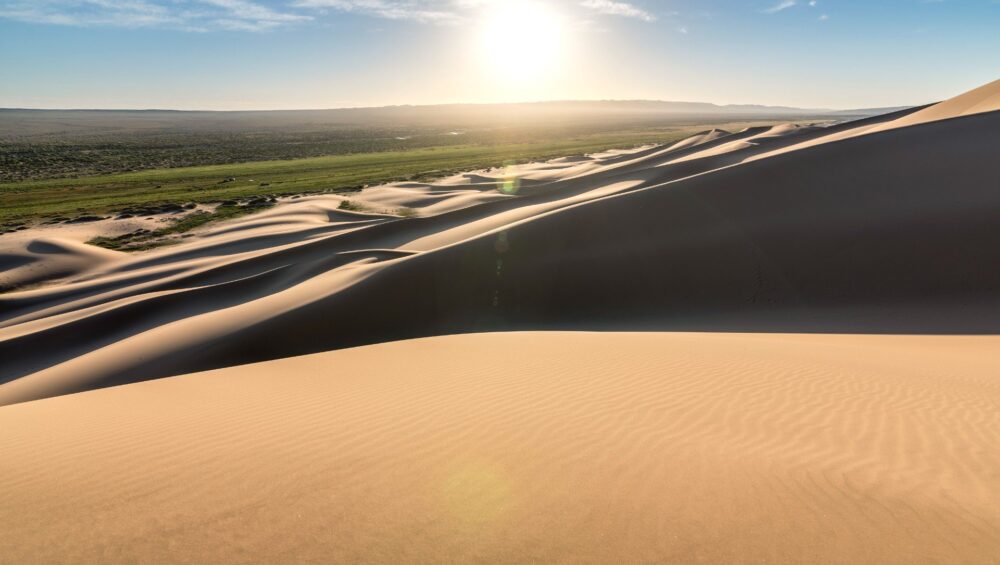
một tuyệt vời của những cồn cát mà tăng đáng kể giữa thảo nguyên cỏ.

: Đi bộ dọc theo vàng cồn cát trong các đầy cảm hứng xem, và cảm nhận sự mềm mại cát dưới chân của bạn.

Tùy Chọn Lạc Đà Đi

  • Cho một cuộc phiêu lưu, một con lạc đà đi qua những cồn cát và trải nghiệm những cách truyền thống của người du mục du lịch.
  • Buổi tối: Truy cập với một gia Đình Địa phương
  • : Đến một gia đình du mục của ger, nơi bạn sẽ trải nghiệm cách sống của họ.

Tìm hiểu về các thói quen nghề truyền thống, và nghệ thuật của chăn gia súc.

Chia sẻ một nhà nấu bữa ăn tối với bạn tổ chức năng đích thực mông cổ món ăn chuẩn bị với các thành phần từ đất xung quanh.

Ở Lại Qua Đêm

  • : Dành cả đêm trong một truyền thống ger với các gia đình địa phương. Trong khi tắm cơ sở có thể không có, điều này thực nghiệm cung cấp một chưa từng kết nối đến Mông cổ của nền văn hóa du mục.
  • Ngắm
  • Kết thúc một ngày của bạn bằng cách bước ra ngoài để ngạc nhiên trước sự rộng lớn trên bầu trời đêm, miễn phí từ ánh sáng ô nhiễm.

Ngày này cung cấp một sự kết hợp hoàn hảo của vẻ đẹp tự nhiên phiêu lưu, và một cái nhìn thân mật vào Mông cổ của lối sống du mục.

Ngày 7 Lái xe về thành phố, thành phố

Ngày 7: Cưỡi lạc Đà và Cồn Cát thăm Dò, Trở về thành phố

  • Bao gồm bữa ăn Sáng và bữa Trưa
  • Hãy quấn cổ cuộc phiêu lưu với một buổi sáng của cưỡi lạc đà và khám phá những thanh thản
  • theo một cảnh lái xe trở lại với thành phố.

Sáng: Lạc Đà Đi Cồn Cát Đi

Bắt đầu một ngày với một ấm áp và bữa sáng thịnh soạn, với chủ nhà của gia đình, tiếp nhiên liệu lên cho cuối cùng của cuộc phiêu lưu.

活動

  • : Có một nhàn nhã lạc đà đi qua golden
  • thường được gọi là "Mini-Đông."
  • Nhập Vai Kinh Nghiệm

Thưởng thức những nhịp điệu của cưỡi lạc đà khi được bao quanh bởi ngoạn sa mạc và thảo nguyên phong cảnh.

Kết Nối Văn Hóa

Tìm hiểu về ý nghĩa của con lạc đà ở mông cổ nền văn hóa du mục, từ vận chuyển để vai trò của mình trong cuộc sống hàng ngày.

  • Sand Dune Đi
  • : Lang thang những cồn cát và trên bàn chân, dùng trong yên bình bầu không khí và chụp những khoảnh khắc cuối cùng của tự nhiên.
  • Thưởng thức cổ truyền thống ăn trưa trước khi bắt đầu các cuộc hành trình trở về thủ đô. Suy nghĩ về cuộc kinh nghiệm đáng kinh ngạc và những người bạn đã gặp nhau trong chuyến đi của bạn.

Conclusion

Chiều: Lái xe đến U


  • Major holidays in Mongolia
  • Thưởng thức những cảnh quan đa dạng của Mông cổ hiện theo cách của bạn trở lại
  • lấy trong quan điểm của thảo nguyên vô tận, chắc chắn ngọn đồi, và du mục trại.
  • Đạt thành phố bởi chiều muộn sớm hoặc tối, mà bạn có thể thư giãn và chuẩn bị cho giai đoạn tiếp theo chuyến đi của bạn.
  • Này, ngày cuối cùng cung cấp một kết luận của cuộc phiêu lưu, pha trộn vẻ đẹp của Mông cổ, biểu tượng của những cồn cát với sự trở lại với cuộc sống đô thị.
  • Genghis Khan’s Birthday holiday
  • Buddha’s Birthday in Mongolia
  • New Year’s Eve in Mongolia

#Mongolia #MongolianHolidays #NaadamFestival #TsagaanSar #GenghisKhan #MongolianCulture #TravelMongolia #FestivalsInMongolia #BuddhistCelebrations


Are Mongolian People Friendly Toward Tourists?

Are Mongolian People Friendly Toward Tourists? A Warm Welcome Awaits!

Mongolia, the land of the eternal blue sky, has long been a dream destination for adventurers and culture enthusiasts. If you’re considering visiting this vast and captivating country, you might wonder, Are Mongolian people friendly toward tourists? The short answer is a resounding yes! Mongolians are known for their hospitality, warmth, and deep respect for guests. Let’s explore why Mongolia is one of the most welcoming destinations in the world.


1. The Spirit of Nomadic Hospitality

Mongolia’s nomadic traditions have shaped a culture of unparalleled hospitality. In the countryside, where vast steppes stretch endlessly, nomads often welcome travelers into their gers (traditional felt tents) without hesitation. It’s customary to offer food, tea, and even a place to stay overnight. This tradition, known as “guest rights,” is deeply ingrained in Mongolian culture.

ヒント:場合に招ゲルを覚えて受け入れ品丁寧に従ってそこでの慣習、ステッピングを避けるにはzemax®ファイルをご参照ください。


2. Urban Friendliness in Ulaanbaatar

In Mongolia’s capital, Ulaanbaatar, the atmosphere is equally welcoming. While the city is more fast-paced than the countryside, locals are generally friendly and eager to help tourists. Many young Mongolians speak English, making communication easier. Whether you’re asking for directions or recommendations, you’ll likely be met with a smile.


3. Respect for Foreigners

Mongolians take great pride in their heritage and are enthusiastic about sharing their traditions with visitors. From participating in Naadam Festival to learning about the history of ジンギスカン, locals often go out of their way to ensure tourists have a memorable experience.

Hashtags: #MongolianCulture #TravelMongolia #NomadicLifestyle


4. Cultural Tips for Tourists

To make the most of your trip and connect with locals, keep these cultural tips in mind:

  • Bring a small gift: If staying with a nomadic family, a small token like candy or tea is appreciated.
  • Learn basic phrases: Knowing a few words like “Sain bain uu? (Hello)” and “Bayarlalaa (Thank you)” goes a long way.
  • Respect traditions: For example, always receive items with your right hand and avoid pointing your feet at people.

Hashtags: #MongoliaTravelTips #CulturalRespect #TravelSmart


5. Why Tourists Love Mongolia

  • Adventure Opportunities: From trekking in the Altai Mountains to exploring the Gobi Desert, Mongolia offers unparalleled adventure.
  • Unique Experiences: Stay in a ger, ride horses, or witness the eagle hunters of western Mongolia.
  • Affordable Travel: Compared to many destinations, Mongolia offers budget-friendly options without compromising quality.

Hashtags: #VisitMongolia #GobiDesertAdventures #ExploreNomadicLife


Conclusion: A Heartwarming Experience

Whether you’re exploring the bustling streets of Ulaanbaatar or the serene landscapes of the steppe, Mongolians’ warmth and hospitality will make your journey unforgettable. Their respect for visitors, combined with a rich cultural heritage, ensures that you’ll not only feel welcome but also leave with lasting memories.

If you’ve been considering a trip to Mongolia, now’s the time to pack your bags and experience the friendliness firsthand.

Hashtags: #FriendlyMongolia #MongoliaAdventure #TravelWithHeart

What Is Mongolia Famous For?

Mongolia, the land of blue skies and endless steppes, is a country that captivates travelers with its unique blend of natural beauty, rich history, and vibrant culture. Here’s a closer look at what makes Mongolia famous, complete with Google SEO keywords to ensure your blog gets noticed.

1. Nomadic Culture

Mongolia is world-renowned for its nomadic lifestyle. About 30% of the population continues to live as nomads, moving with their herds across the vast steppes. Visitors can experience this firsthand by staying in traditional Mongolian gers and joining herders in their daily routines.

2. The Gobi Desert

ゴビ砂漠 is one of the most famous deserts in the world, known for its dramatic landscapes, towering sand dunes, and unique wildlife. Visitors can explore the 炎の崖, where dinosaur fossils have been discovered, or embark on a camel trek across the sands.

3. Genghis Khan and the Mongol Empire

Mongolia is the birthplace of ジンギスカン, the legendary founder of the Mongol Empire. His legacy is celebrated throughout the country, from the towering Genghis Khan Statue Complex near Ulaanbaatar to the ancient ruins of カラコルム, the empire’s former capital.

4. U ngày chuyến đi

Known as the “Blue Pearl of Mongolia,” U ngày chuyến đi is a pristine alpine lake surrounded by forested mountains. It’s a haven for nature lovers, offering opportunities for hiking, kayaking, and horse trekking.

5. The Naadam Festival

Mongolia’s Naadam Festival is a UNESCO-recognized event held annually in July. This traditional festival showcases the “Three Manly Games” – wrestling, horse racing, and archery. It’s a vibrant celebration of Mongolian culture and heritage.

6. Vast Steppes and Open Skies

Often called the “Land of Eternal Blue Sky,” Mongolia boasts over 250 sunny days a year. The endless steppes and dramatic landscapes create a sense of freedom and adventure that’s unmatched anywhere else in the world.

7. Wildlife and Nature

から過 snow leopard in the Altai Mountains to the wild horses of Hustai国立公園, Mongolia is a treasure trove of unique wildlife. Bird watchers and nature enthusiasts will find plenty to admire.

8. Buddhist Heritage

Mongolia is home to stunning Buddhist monasteries, such as Gandan Monastery in Ulaanbaatar and the Gói lớp, khi nhiệt độ có thể thay đổi đáng kể giữa ngày và đêm. in Karakorum. These sites offer a glimpse into the country’s spiritual side and its Tibetan Buddhist traditions.

Best Time to Visit Mongolia

The best time to explore Mongolia is from June to September, when the weather is warm and the countryside is lush. Winter visits, however, offer a chance to experience unique events like the Ice Festival at Khuvsgul Lake.

Conclusion

Mongolia’s fame lies in its unspoiled natural landscapes, rich nomadic culture, and historical significance. Whether you’re an adventurer, history buff, or cultural enthusiast, Mongolia offers a once-in-a-lifetime experience.


Hashtags for Social Media:

#DiscoverMongolia #MongoliaTravel #GobiDesert #NomadicCulture #VisitMongolia #NaadamFestival #KhuvsgulLake #GenghisKhan #TravelAsia

どのように乗馬をモンゴル

저녁에 도착 도시 울란바토르

1. 4:30-오후 도착에서 울란바토르

  • 의 분주 한 도시의하고 있습니다. 호텔에 체크인하고 휴식을 취할 시간이 걸릴 후 긴 여정입니다.
  • 6:30PM-에서 저녁 식사를 울란바토르

2. 맛있는 지역 레스토랑에서 저녁 식사를 제공하는설

  • 몽고 및 국제 요리
  • . 당신이 시도할 수 있 요리
  • (몽골어 바베큐)또는

3. tahchin

  • (몽골 쌀 요리).
  • 8:00PM-긴장을 풀고

4. 저녁 식사 후,신의 저녁을 보내고 풀기 호텔에서 제공합니다. 에 반영하고 놀라운 여행을 당신은 단지,경험이 풍부서

  • 북 몽골의 광야
    • 문화 발견
    • 지역 nomads.
    • 다시 드라이브 울란바토르
    • 울란바토르 도시 여행

5. 도로 여행에서 백색이크를 울란바토르

  • 울란바토르 호텔과 숙박 시설
  • 몽골 전통 요리에서 울란바토르

6. 몽골 수도 관광 도시

  • 울란바토르 관광
  • 울란바토르 레스토랑 가이드

7. 몽골험 관광을 울란바토르

  • 7 일 중앙 몽골 Gobi
  • 몽골,울란바토르

8. Building Trust:

  • Spend time with the horse before riding to build trust. Grooming and feeding can help establish a connection.
  • Approach the horse calmly and avoid sudden movements that might startle it.

9. Safety Precautions:

  • Wear appropriate riding gear, including a helmet.
  • Follow any safety guidelines provided by guides or instructors.

10. Guided Tours and Instruction:

  • If you’re a beginner or unsure, consider joining a guided horse trek or receiving basic riding instruction from experienced guides.
  • Guides can provide valuable insights into Mongolian horsemanship and enhance your overall riding experience.

Riding a Mongolian horse offers a genuine connection to the nomadic culture and the vast landscapes of Mongolia. Take your time to enjoy the experience and appreciate the bond between rider and horse in this traditional setting.

Khongor sand dune in Gobi

Khongor Sand Dunes: The Singing Sands of the Gobi Desert

Khongor砂丘, also known as the “Singing Sands,” are one of the most iconic and mesmerizing attractions in Mongolia’s ゴビ砂漠. Stretching over 180 kilometers long and up to 20 kilometers wide, these majestic dunes reach towering heights of 300 meters, offering a landscape of unparalleled beauty and adventure.

Why Visit the Khongor Sand Dunes?

  1. Stunning Landscapes
    • The Khongor Sand Dunes create a dramatic contrast against the surrounding Gobi steppes. Their golden sands shift with the wind, forming ever-changing ridges and patterns that captivate the eye.
    • The dunes are bordered by the lush Khongoryn River, an oasis of greenery that supports wildlife and nomadic herders in the arid desert.
  2. The “Singing Sands” Phenomenon
    • As the wind moves across the dunes, the sands produce a low, humming sound, earning them the nickname “Singing Sands.” This natural melody is both eerie and enchanting, adding a unique sensory experience to your visit.
  3. Adventure Activities
    • ハイキング: Climbing to the top of the highest dunes is a rewarding challenge, offering panoramic views of the endless desert and a sense of accomplishment.
    • ラクダに乗って: Experience the Gobi as the nomads do with a leisurely camel trek across the sands, guided by local herders.
    • Sand Sliding: Thrill-seekers can slide down the dunes for an exhilarating descent!
  4. Truyền thuyết địa phương và cổ bức tranh xung quanh khu vực thêm một liên lạc của mystique để tự nhiên này ngạc nhiên.
    • Meet local nomadic families who live in the region and learn about their traditional way of life. Many offer warm hospitality in their gers, along with stories of the desert’s history and legends.
  5. 写真撮影の機会
    • Sunrise and sunset are magical times at the Khongor Sand Dunes, as the light bathes the landscape in hues of gold and orange. This is a must-visit spot for photographers and nature lovers alike.

How to Get There

The Khongor Sand Dunes are located in South Gobi, approximately 200 kilometers from Dalanzadgad, the provincial capital. Travelers can reach the area by 4×4 vehicles, often as part of a guided Gobi Desert tour.

Best Time to Visit

  • Summer (June to September): This is the peak season for visiting, with warm temperatures and clear skies.
  • Early Morning or Late Afternoon: These times offer cooler weather for exploration and the best lighting for photography.

Local Tips for Visitors

  • Wear sturdy shoes for climbing the dunes, as the sand can be scorching during the day.
  • Bring plenty of water and sun protection, including hats, sunglasses, and sunscreen.
  • Be prepared for sudden weather changes, as the desert can shift from hot days to chilly nights.

The Khongor Sand Dunes offer a perfect mix of natural beauty, adventure, and cultural discovery, making them an unmissable highlight of any trip to Mongolia’s Gobi Desert. Whether you’re hiking to the top for breathtaking views or listening to the haunting melodies of the “Singing Sands,” this destination will leave you in awe.


About a Yol valley in Gobi

6:00-오후에 도착하 Ger 호텔

체크인습니다. 이러한 전통적인 Yolyn Am몽골 산 제공하는 편안하고 본격적인 객실을 경험이다. 에 정착,평화로운 분위기를,그리고 휴식에서 아늑한 ger. 7:00 저녁식사에서 Ger 호텔

맛에서 맛있는 저녁 식사 호스텔,준비와 함께 있습니다. 식사가 일반적으로 포함 몽골 전통적인 요금처럼

  1. 쌀 요리
    • 고 다양한 . 공유 이야기를 동료와 함께 여행객 또는 당신의 호스트에서의 경험에 대해 북부하고 있습니다. 빛나 Ider 몽골 여행
    • 에서 하룻밤 Ger 호텔 몽골
  2. 방문 빛나는 아름다운 풍경 Ider
    • 유목 문화에서 빛나 Ider 몽골 Ger 호텔북 몽골을 탐험
    • 빛나 Ider 하이킹 투어
  3. Wildlife Encounters
    • 몽골 농촌험 몽골 전통 요리에서 빛나 Ider, 경험을 빛 Ider 유목생활제 12 일 화이트 호수 로 하루를 시작하고 영양에서는 아침 식사
    • 을 즐기고,전통적인 요리에 대한 준비를 하고 있습니다.
  4. 8:30AM-드라이브 화이트 호수
    • 아침 식사 후,설정에서 아름다운 드라이브
    • Terkhiin Tsagaan Nuur(화이트 호수)

How to Get There

하나의 가장 아름다운 고요한 호수에서 북부하고 있습니다. 경로를 통해 당신을 데려 갈 것이 울창한 숲Khongor砂丘 Khám phá ra sức Mạnh và Truyền thống của cổ Vật Bayanzag Flaming Cliffs.

Best Time to Visit

  • 산악 풍제공하는 아름다운 전망되어 있습니다.
  • Early Morning or Late Afternoon정오:에 도착 화이트 호수 및 점심 식사를 즐기

Local Tips for Visitors

  • 12:00-오후 도착에서의 화이트 호수에 도착 장엄한
  • 화이트 호수위치
  • Terkhiin Tsagaan Nuur 국립공원에 둘러싸여,화산. 호수의 수정같이 맑은 바다와 극적인 풍경을 방문해야에 위치하고 있습니다.
  • 12:30-점심 식사에 의해 호수을 즐길

에 의한 호수의 기슭,음 몽골 전통 요리를 복용하는 동안 아름다운 자연으로 둘러싸여 있습니다.

  • 제공하는 편안하고 본격적인 객실을 경험이다. 에 정착,평화로운 분위기를,그리고 휴식에서 아늑한 ger.오후:험 화이트 호수와 주변 지역
  • 1:30 오후를 탐험-화이트 호수을 보내고 오후 탐험

의 자연의 아름다움을 화이트 호수

. 활동이 포함될 수 있습니다:

伝統的なモンゴルの生活文化

Traditional Mongolian Living Culture: A Unique Nomadic Lifestyle

Mongolian culture is deeply rooted in its 遊牧民遺産, where the traditions, practices, and ways of life have been passed down through generations. With vast expanses of steppe, deserts, and mountains, Mongolian nomads have adapted their lifestyle to live in harmony with nature, and their culture reflects this intimate connection to the land and its resources. The traditional Mongolian way of life is centered around the ger (a portable round tent), herding livestock, and a profound respect for the environment.

1. The Nomadic Lifestyle

At the heart of traditional Mongolian culture is the nomadic way of life, which has been practiced for over 2,000 years. The majority of Mongolians still maintain a semi-nomadic lifestyle today, particularly in rural areas.

Key Elements of Nomadic Living:

  • Herding: Livestock is the backbone of Mongolian life. Nomads primarily raise cattle, sheep, goats, horsesDalain Khad: camels. Herding is a family affair, with everyone contributing to the care, movement, and management of the animals.
    • Horses: Horses hold a special place in Mongolian culture. They are not only essential for transportation and herding, but they are also central to traditional Mongolian festivals like the Naadam Festival, which includes horse racing as one of its three main competitions.
  • Mặc dù Mông cổ không phải là nhà để rất độc nhện như những người tìm thấy trong vùng nhiệt đới, một số nhện có thể cung cấp đau đớn cắn đó có thể gây triệu chứng nhẹ.: The ger (also known as a yurt in Central Asia) is a traditional round tent that can be easily packed up and moved. Gers are insulated with felt made from sheep wool, offering warmth in the winter and coolness in the summer.
    • ger serves as both home and social space, often housing entire families. It is a symbol of Mongolian hospitality, with the host family always ready to offer tea, food, and warmth to guests.
  • Seasonal Movement: Nomadic families move their camps according to the seasons, following the grazing needs of their livestock. In the summer, they may be near rivers or pastures, while in winter, they move to sheltered areas for protection against the harsh cold winds.

2. The Ger (Traditional Tent)

ger is one of the most iconic symbols of Mongolian culture. It is not just a dwelling but a central space for family life, celebration, and hospitality.

Features of the Ger:

  • Structure: A ger is made of a wooden frame covered with felt, which is crafted from sheep wool and provides excellent insulation. The roof has a skylight in the center to allow for ventilation and light. The walls are often lined with colorful fabrics and traditional decorations.
  • Interior: The interior of a ger is arranged according to strict traditional principles. The altar is usually placed in the northern part, and family members sleep on the east and south sides, with the eldest and most respected members of the family in the honored place.
  • Family Space: The ger is a multifunctional space, used for living, eating, and socializing. It’s common to see families sit around a central stove or hearth, sharing food and discussing the events of the day.

3. Food and Cuisine

Mongolian food is hearty and simple, designed to sustain people in harsh climates and provide energy for the labor-intensive life of herding and farming. The diet is primarily based on meat, dairyDalain Khad: grains, with an emphasis on foods that provide long-lasting energy.

Common Mongolian Foods:

  • Mutton and Beef: Meat is a central part of Mongolian meals, often boiled or roasted. Mutton (sheep meat) is the most commonly consumed, but beef, goatDalain Khad: camel meat are also popular.
  • Dairy Products: Mongolia is known for its wide variety of dairy products, such as Động Vật có độc ở Mongolia (fermented mare’s milk), aaruul (dried curd), byaslag (cheese), and sour cream. Dairy products are rich in nutrients and provide vital sustenance.
  • Breads and Dumplings: Mongolian cuisine includes various types of bread and dumplings. Buuz (steamed dumplings filled with meat) are a popular snack, especially during holidays and celebrations.
  • Tea: Suutei tsai (salted tea with milk and sometimes rice or butter) is a traditional Mongolian drink that is consumed throughout the day. It is often accompanied by bread or dairy.

4. Mongolian Festivals and Celebrations

Mongolia’s cultural calendar is rich with festivals that celebrate the seasons, the land, and important aspects of life such as family, animals, and the harvest. The most famous of these is the Naadam Festival.

Key Festivals:

  • Naadam Festival: This is the most important and widely celebrated event in Mongolia, held in mid-July. The festival features three manly games: wrestling, horse racingDalain Khad: archery. It is a time of national pride and showcases the Mongolian spirit of endurance and strength.
  • Tsagaan Sar (Lunar New Year): Tsagaan Sar is the Mongolian Lunar New Year, a time for families to reunite and celebrate the new year with offerings, prayers, and feasts. It is a time of renewal and respect for ancestors.
  • Eagle Hunting Festival: Held annually in the western region of Bayan-Ölgii, this festival celebrates the ancient practice of eagle hunting, where Kazakh hunters showcase their skills with their trained golden eagles.

5. Spirituality and Shamanism

Mongolian spirituality is deeply connected to nature and the land, with many people practicing Tengrism, an ancient animistic religion that worships the sky, earthDalain Khad: nature spirits. Shamanism also plays a vital role in the spiritual life of many Mongolians, especially in rural areas.

Key Spiritual Practices:

  • Tengrism: Tengrism believes in the Great Eternal Blue Sky (Tengri) and the interconnectedness of all life. People view nature as sacred, and many Mongolians have shrines or sacred places where they honor spirits and offer sacrifices.
  • Shamanism: Shamans, known as Böö, play an important role in Mongolian society. They are believed to communicate with spirits to heal illnesses, protect communities, and offer guidance. Shamans perform rituals that involve chanting, drumming, and sacrifices to appease the spirits.

6. Mongolian Clothing

Mongolian traditional clothing is made to withstand the extreme temperatures of the country’s climate. The deel is the most iconic piece of clothing, worn by both men and women.

The Deel:

  • Deel: The deel is a long robe made from wool, cotton, or silk, usually worn with a sash or belt. It is designed to keep the wearer warm in the winter and cool in the summer.
  • Boots: Mongolian boots are made of soft leather and are designed for durability and comfort on the rugged terrain.
  • Headgear: Mongolian men often wear a traditional hat called a loovuz, while women may wear decorative headpieces depending on their region and occasion.

Why Traditional Mongolian Living Culture is Important

Traditional Mongolian culture offers a window into a way of life that has survived for centuries despite the challenges of modernity. The Mongolian nomadic lifestyle, with its strong connection to nature and respect for animals, provides valuable lessons in sustainability, hospitality, and the importance of family and community. Despite urbanization and modernization, Mongolia’s cultural traditions continue to be a source of national pride and identity.

Understanding and experiencing traditional Mongolian living culture offers a deeper appreciation for the resilience and beauty of one of the world’s most unique and enduring lifestyles.

4o mini

モンゴルNaadam

Naadam祭-文化モンゴルでのお祝い

Naadam Festival is one of the most iconic and celebrated events in Mongolia, showcasing the country’s rich cultural heritage and traditional sports. Held every year in Điều Gì Làm Cho Thung Lũng Orkhon Thác Nước Đặc Biệt? during the summer (typically from July 11th to 13th), the Naadam Festival is a unique celebration that combines the country’s historical significance, traditional Mongolian sportsDalain Khad: 遊牧生活. This vibrant festival is a must-experience for those interested in Mongolian culture and history.

Naadam Festival Events: Traditional Sports and Competitions

At the heart of the Naadam Festival are the Three Manly Games: wrestling, horse racingDalain Khad: archery. These sports have deep historical roots in Mongolia, representing strength, endurance, and skill, which are central to the Mongolian identity.

  1. モンゴル相撲 (Bökh)
    • Wrestling is a major highlight of the Naadam Festival. It’s not just about physical strength; it also reflects Mongolian ideals of resilience and honor. Wrestlers wear traditional outfits and participate in intense matches, often in front of cheering crowds at Naadam stadium.
  2. Horse Racing
    • Horse racing is one of the most anticipated events at the festival, with children typically riding the horses. Races take place across challenging terrains, representing the deep bond Mongolians have with their horses, which have been a vital part of the 遊牧生活 for centuries.
  3. Archery
    • Both men and women compete in archery during Naadam. Traditional Mongolian bows and arrows are used, and the competition is a display of precision and skill, reflecting Mongolia’s deep connection to its historical warriors.

Cultural Significance and Historical Roots

Naadam traces its origins back to the 13th century during the time of ジンギスカン. Originally, it was a military training exercise and a way for people to celebrate victories. Over time, Naadam transformed into a celebration of Mongolia’s independence Khám phá những vẻ đẹp của Mông cổ cultural pride, marking the foundation of the modern Mongolian state.


  • Mongolian Naadam Festival
  • Naadam Festival 2024
  • Naadam sports
  • Mongolian wrestling
  • Horse racing in Mongolia
  • Mongolian archery competition
  • Ulaanbaatar festivals
  • Traditional Mongolian celebrations
  • Summer in Mongolia
  • Cultural festivals in Mongolia

Why Visit the Naadam Festival?

For travelers, the Naadam Festival is an opportunity to immerse in Mongolian traditions and witness the spectacle of its traditional sports. It’s not just about the competitions—Naadam also features Mongolian music, dance performances, and the chance to interact with local nomadic communities. You’ll also enjoy the vibrant parades and cultural performances, making it a great introduction to Mongolia’s rich traditions.

Plan Your Trip
If you’re looking to experience this vibrant festival, make sure to plan your trip to Mongolia in July to catch Naadam in action. From cultural toursnomadic experiences, the festival offers a glimpse into the heart of Mongolian life

s

モンゴルの天気-ガイド:何を期待できる通年

Explore Central Mongolia: Horseback Adventures Around Eight Lakes and Orkhon Valley Waterfall (UNESCO World Heritage Site) Embark on an unforgettable journey to Central Mongolia, a region celebrated for its stunning landscapes, rich history, and cultural significance. Whether you're a seasoned traveler or seeking an off-the-beaten-path adventure, the Eight Lakes area and the Orkhon Valley Waterfall promise an experience like no other.Highlights of Your Trip: Horseback Riding Through Central MongoliaSaddle up and traverse the breathtaking terrains of Central Mongolia on horseback. This traditional mode of travel offers an authentic glimpse into the nomadic lifestyle while allowing you to explore the pristine beauty of the Eight Lakes region. Discover the Eight Lakes AreaNestled in the Khangai Mountains, the Eight Lakes (Naiman Nuur) region is a natural wonder. Surrounded by volcanic landscapes and lush green meadows, this secluded area is a haven for nature lovers. Ride along serene trails, camp under starry skies, and connect with Mongolia’s unspoiled wilderness. ゴビ砂漠, Terelj国立公園Marvel at the Orkhon Valley Waterfall Điều Gì Làm Cho Thung Lũng Orkhon Thác Nước Đặc Biệt?The Orkhon Valley Cultural Landscape, a UNESCO World Heritage Site, is a treasure trove of history and nature. At its heart lies the majestic Orkhon Waterfall (Ulaan Tsutgalan), cascading 20 meters into a gorge below. Explore nearby historical sites, including ancient ruins and sacred monuments, while soaking in the valley's beauty.

Entrance fee

  • Entry Fees take photo inside a museum Discover the Beauty of Ugii Lake in Central Mongolia: A Perfect Destination for Fishing, Birdwatching, and Adventure Ugii Lake, located in the heart of Mongolia in Arkhangai Province, is a stunning natural gem and one of Mongolia's largest lakes. With its 27 square kilometers of crystal-clear waters, an average depth of 6.64 meters, and a maximum depth of 15.3 meters, Ugii Lake is a must-visit destination for nature lovers and adventurers alike. Why Visit Ugii Lake?
  • Natural Splendor Surrounded by delicate sandy shores and smooth whetstone coasts, Ugii Lake offers an idyllic setting. Its soft waves and serene environment make it perfect for relaxation or adventurous boat rides.
  • Fishing Paradise
    • Ugii Lake is renowned for its abundance of fish, making it a hotspot for anglers seeking a rewarding experience. Cast your line and enjoy fishing in one of the most picturesque locations in Mongolia.3.
    • Birdwatcher’s Delight
    • This area is a haven for bird enthusiasts. With a diverse range of migratory and resident bird species, you can observe them in their natural habitat, creating unforgettable moments for avid birdwatchers.
  • Begin your day with an early breakfast and get ready to explore the historic and breathtaking landmarks of Central Mongolia. From the ancient city of Kharkhorin to the stunning Ulaan Tsutgalan Waterfall and the serene Tövkhön Khiid monastery, this journey promises unforgettable experiences. を探る Kharkhorin City Sightseeing Kharkhorin, also known as Karakorum, was the ancient capital of the Mongol Empire. Rich in history, this area offers fascinating insights into Mongolia’s past. It’s a must-visit for travelers seeking cultural and historical exploration in Central Mongolia. dog sledding Located near the Orkhon River, Ulaan Tsutgalan Waterfall is one of Mongolia's most iconic natural attractions. Size.

: The waterfall is 10 meters wide and cascades from a height of 20 meters.

  • Entry Fees take photo inside a museum Popularity : A favorite destination for nature lovers and photographers, it showcases the raw beauty of Mongolia’s landscapes..
  • Natural Splendor Surroundings : The area offers scenic hiking opportunities along the river gorge, making it a perfect spot for outdoor enthusiasts.Tövkhön Khiid Monastery ゴビ砂漠 Khám phá những vẻ đẹp của Mông cổ Perched atop the Shivee Mountain at an altitude of 2000 meters, Tövkhön Khiid is a secluded and tranquil retreat..
  • Fishing Paradise
    • Built in 1653
    • : This historic monastery is a testament to Mongolia’s spiritual heritage.
    • Stunning Location
  • Begin your day with an early breakfast and get ready to explore the historic and breathtaking landmarks of Central Mongolia. From the ancient city of Kharkhorin to the stunning Ulaan Tsutgalan Waterfall and the serene Tövkhön Khiid monastery, this journey promises unforgettable experiences. : Situated in the picturesque Khangai Mountains, the monastery is surrounded by dense forests and offers panoramic views. 遊牧生活.

: Tövkhön Khiid served as a meditation retreat for Zanabazar, Mongolia's first spiritual head and an influential figure in Buddhist art and architecture.

  • Entry Fees take photo inside a museum End your day in the traditional comfort of a ger, a quintessential Mongolian dwelling. Enjoy the warmth of local hospitality, delicious meals, and the serenity of the countryside. Rich History and Culture: Dive into the historical wonders of Kharkhorin and the spiritual ambiance of Tövkhön Khiid.
  • Natural Splendor Natural Beauty July Khám phá những vẻ đẹp của Mông cổ : Marvel at the majestic Orkhon Waterfall and the stunning landscapes of the Khangai Mountains..
  • Fishing Paradise
    • : Stay in a ger camp, connecting deeply with Mongolia’s nomadic heritage.
    • Plan your journey to Central Mongolia and experience a unique blend of history, culture, and natural beauty. Perfect for adventure seekers, history buffs, and nature lovers—start your Mongolian adventure today!
    • "Kharkhorin Mongolia sightseeing"
  • Begin your day with an early breakfast and get ready to explore the historic and breathtaking landmarks of Central Mongolia. From the ancient city of Kharkhorin to the stunning Ulaan Tsutgalan Waterfall and the serene Tövkhön Khiid monastery, this journey promises unforgettable experiences. "Visit Orkhon Waterfall Mongolia" #VisitMongolia 이와 같은 맛있는 집에서 요리를 준비하여 기수가 가족입니다. 에 종사하는 진심으로 대화에 대해 그들의 유목민의 생활 방식의 중요성을 말 몽골 문화입니다. Terelj国立公園"Tövkhön Khiid monastery tour" Orkhonバレー"Ger camp overnight Mongolia" Naadam Festival.

"Mongolia nature adventure tour"

  • Entry Fees take photo inside a museum "Explore Khangai Mountains Mongolia" "Historical and cultural tours in Mongolia" "Best attractions in Central Mongolia
  • Natural Splendor Day 3-6
  • Fishing Paradise
    • Start your day with an early breakfast before packing your camping gear onto horseback for a thrilling journey through the pristine landscapes of Mongolia. This horse trekking expedition promises an unforgettable adventure, taking you deep into the wilderness to explore hidden gems that can only be accessed by horse.
    • Horse Trekking Adventure
    • Unique Experience
  • Begin your day with an early breakfast and get ready to explore the historic and breathtaking landmarks of Central Mongolia. From the ancient city of Kharkhorin to the stunning Ulaan Tsutgalan Waterfall and the serene Tövkhön Khiid monastery, this journey promises unforgettable experiences. : Traverse rugged terrains, lush meadows, and scenic valleys on horseback, immersing yourself in Mongolia’s natural beauty. Exclusive Access : Reach remote and untouched destinations that are inaccessible by vehicles, offering a true sense of adventure. Guaranteed Memories : Experience the serenity of Mongolia’s wilderness, creating memories that will last a lifetime. Gói lớp, khi nhiệt độ có thể thay đổi đáng kể giữa ngày và đêm..

Scenic Beauty Along the Journey

  • Breathtaking Landscapes : Discover rolling hills, tranquil rivers, and vibrant wildflowers as you ride through one of Mongolia’s most picturesque regions.Immersive Wilderness
  • : Enjoy the solitude and peace of nature, far from the distractions of modern life. : Capture stunning views of Mongolia’s unique terrain, perfect for nature lovers and adventurers. Điều Gì Làm Cho Thung Lũng Orkhon Thác Nước Đặc Biệt?Authentic Experience coldest capital city in the world.

Overnight Camping in a Tent

  1. Under the Stars
    • : Settle into your tent for the night, surrounded by the serene sounds of nature.
  2. : Camping in Mongolia’s wilderness offers an intimate connection to the land and a chance to embrace the nomadic spirit.
    • Campfire Moments : Relax by a warm campfire, sharing stories and soaking in the tranquility of the great outdoors.Why Choose a Horse Trekking Adventure?.

Authentic Exploration : Discover Mongolia as the locals have for centuries—on horseback.Authentic Experience Adventure in Nature: Perfect for thrill-seekers and nature enthusiasts who want to experience Mongolia’s rugged beauty. Altai MountainsUnforgettable Memories