いトランジットの場合、ビザは必要にモンゴル?

Entry Requirements for Mongolia: A Complete Guide for Travelers

một trong những tuyệt vời nhất tự nhiên mốc ở Mông cổ. Nằm ở Trung Đông sa Mạc đặc biệt này, đá vôi hình thành giống như một grand tháp, đứng giữa sa mạc rộng lớn cảnh quan.

いトランジットの場合、ビザは必要にモンゴル?

Sáng: hành Trình đến Tháp Trắng

Cảnh Lái Xe

  • Thông qua các vùng đất nổi bật bán khô cằn thảo nguyên của Đông sa Mạc, với những cơ hội để xem động vật hoang dã như linh dương hay những con ngựa hoang dã trên đường đi. Ấn Tượng Đầu Tiên
  • : Đến Tháp Trắng, nơi các nhiều lớp của những vách đá vôi được tiết lộ đầy đủ của họ lộng lẫy. Các lớp này là kết quả của thiên niên kỷ của địa chất hoạt động và màu sắc của sự thay đổi đáng kể dưới điều kiện ánh sáng. Chiều: Khám Phá Tháp Trắng
  • Leo Núi, Đi Phiêu Lưu : Có một hướng dẫn viên đi xung quanh những vách đá, khám phá tự nhiên hang động và độc đáo đá. Các tầm nhìn từ đầu là ngoạn mục, cung cấp một cái nhìn vào những mênh mông của Đông cảnh quan.

Tìm hiểu về các địa phương truyền thuyết và thần thoại liên kết với Tsagaan Suvarga, trong đó có một nơi đặc biệt trong mông cổ dân gian.

Visa on Arrival

Mongolia offers a visa-on-arrival option for travelers who:

  • Sau ngày của bạn của thăm dò đến đó
  • địa phương ger nhà khách

cung cấp thực mông cổ khách sạn với những thiết bị hiện đại.

  1. Pre-register with the Mongolian Immigration Agency.
  2. Carry all necessary documents, including a passport, application form, and invitation letter.

Ngày 4: Khám phá Kharakhorum và Erdene Zuu tu Viện

Bao gồm bữa Sáng, bữa Trưa và bữa ăn Tối

Đắm mình trong Mông cổ phong phú của lịch sử và di sản tinh thần như bạn truy cập cổ của thành phố

If you’re not eligible for visa-free entry or an e-visa, you must apply for a visa at your nearest Mongolian embassy or consulate. Required documents include:

  • : Thư giãn cổ truyền thống ger, trang bị với thoải mái giường ấm áp và một bếp cho một đêm yên tĩnh.
  • Sáng: Đến Kharakhorum
  • Bắt đầu một ngày với một bữa sáng thịnh soạn, tiếp nhiên liệu cho các lịch sử những khám phá phía trước.
  • Lịch Sử Tổng

Tìm hiểu về Kharakhorum, thành lập 1220 bởi thành cát Tư Hãn và sau này phục vụ như vốn thuộc của mình, những người kế nhiệm. Thành phố này là quan trọng trung tâm thương mại, văn hóa và quyền lực trong chiều cao của Đế chế mông Cổ.

Truy cập vào các Erdene Zuu tu Viện

  • Ngạc Nhiên Kiến Trúc
  • : Khám phá

đầu tiên tu viện Phật giáo xây dựng ở Mông cổ, hẹn hò trở lại 1586. Thiết kế của nó kết hợp mông cổ, và ảnh hưởng đến tây Tạng có phức tạp trí tháp và ngôi đền.

  1. Tìm hiểu về tu viện của vai trò như một tâm linh và trung tâm văn hóa của mình, cũng như khả năng phục hồi qua Mông cổ của lịch sử hỗn loạn. Phật Pháp
  2. : Chứng kiến sự thanh thản hàng ngày thói quen của cư dân tu sĩ, bao gồm cả tụng và các nghi lễ. Thưởng thức một bữa ăn trưa truyền thống ở một nhà hàng hoặc ger trại, lấy mẫu món ăn như thế
  3. tsuivan (Mông cổ mì xào) hay

boortsog

(bột chiên ăn nhẹ) kết hợp với các loại đồ uống.

Chiều: Kharakhorum Bảo Tàng

Tour Du Lịch Bảo Tàng

  • một hiện đại và được tuyển chọn lập trưng bày vật từ các thành phố quá khứ huy hoàng.
  • Ngày 3 Lái xe đến tháp Trắng
  • Hiện vật

Conclusion

Mongolia offers a straightforward entry process for most travelers, whether through visa-free policies, e-visas, or regular visas. By preparing your travel documents and staying updated on current requirements, you can focus on enjoying your adventure in this breathtaking country.


  • Entry requirements for Mongolia
  • Tìm hiểu về các thành phố, xây dựng, vai trò của mình trong thương mại quốc tế, và nó suy giảm sau khi thủ đô được chuyển đến Bắc kinh.
  • Hiển Thị Tương
  • : Thưởng thức một bữa tối hoàn thành với cả hai mông cổ món ăn truyền thống và hiện đại hương vị, chuẩn bị bởi những người giỏi đầu bếp địa phương.
  • : Dành buổi tối trong ám ảnh về lịch sử phong phú của các quốc như các bạn thư giãn trong một khung cảnh thoải mái.
  • Ngày này, một sự pha trộn của lịch sử, tâm linh, và văn hóa, đưa bạn đến gần hơn để Mông cổ hấp dẫn di sản.
  • Ngày 5 Lái xe đến thung lũng Orkhon thác nước
  • Visa-free countries for Mongolia

#MongoliaTravel #VisitMongolia #MongoliaVisa #TravelTips #MongoliaAdventure #ExploreMongolia #VisaFreeTravel #MongolianCulture #TravelRequirements

Travel Logistics in Mongolia: Everything You Need to Know

Travel Logistics in Mongolia: Everything You Need to Know

Mongolia is a dream destination for adventurers, offering vast landscapes, rich culture, and unique experiences. However, planning a trip to this land of nomads requires careful preparation, especially regarding travel logistics. Here’s a comprehensive guide to help you navigate your journey to and within Mongolia.

Getting to Mongolia

By Air

The primary gateway to Mongolia is Chinggis Khaan International Airport (UBN) in Ulaanbaatar, the capital city. Major airlines such as MIAT Mongolian Airlines, Korean Air, and Turkish Airlines offer regular flights to Ulaanbaatar from cities like Seoul, Beijing, Tokyo, and Istanbul.

By Train

The Trans-Mongolian Railway is an iconic way to reach Mongolia. This route connects Beijing and Moscow, with stops in Ulaanbaatar, offering travelers a scenic and cultural experience.

By Road

Overland travel is possible from Russia and China, though it requires proper documentation and planning. Border crossings can be time-consuming, so patience is key.

Getting Around Mongolia

Domestic Flights

Mongolia’s vast distances make domestic flights a popular choice. Airlines like Aero Mongolia and Hunnu Air operate flights to major cities such as Khovd, Dalanzadgad, and Murun.

Road Travel

  • Car Rentals: Renting a 4×4 vehicle is ideal for exploring Mongolia’s rugged terrain. Many agencies in Ulaanbaatar offer self-drive and chauffeur-driven options.
  • Public Transport: Buses and minivans connect major towns but can be overcrowded and infrequent.
  • Private Tours: Many travelers opt for organized tours, which include transportation, guides, and accommodations.

Trains

The domestic rail network is limited but connects Ulaanbaatar to cities like Erdenet and Sukhbaatar. Trains are slower but offer a budget-friendly option for travel.

Best Time to Visit Mongolia

  • Summer (June to August): Ideal for festivals like Naadam, warm weather, and outdoor activities.
  • Spring (May) and Autumn (September): Great for fewer crowds and stunning landscapes.
  • Winter (November to March): Suitable for adventure seekers wanting to experience the frozen beauty of Mongolia, though temperatures can drop below -30°C.

Accommodation Options

  • Hotels: Ulaanbaatar offers a range of hotels from budget-friendly to luxury.
  • Ger Camps: For an authentic Mongolian experience, stay in a traditional ger (yurt) in the countryside.
  • Hostels and Guesthouses: Affordable and available in major cities and towns.

Travel Tips for Mongolia

  1. Visa Requirements: Check visa requirements based on your nationality. Many travelers can enter visa-free for a limited time.
  2. Currency: The official currency is the Mongolian Tugrik (MNT). Carry cash, as ATMs may be limited in rural areas.
  3. Language: Learning basic Mongolian phrases can enhance your travel experience. English is spoken in tourist areas.
  4. Packing Essentials: Include warm clothing, sturdy boots, sunscreen, and a first-aid kit.
  5. Internet and Connectivity: Wi-Fi is available in cities, but rural areas have limited connectivity. Consider buying a local SIM card for better access.

Conclusion

Traveling to Mongolia is an unforgettable adventure, but it requires careful planning due to its remote and vast landscapes. By understanding the logistics of getting to and around Mongolia, you can ensure a smooth and enjoyable journey.


  • Travel logistics Mongolia
  • How to get to Mongolia
  • Transportation in Mongolia
  • Domestic flights in Mongolia
  • Road travel in Mongolia
  • Best time to visit Mongolia
  • Staying in ger camps
  • Bắt đầu một ngày với một bữa sáng thịnh soạn, chuẩn bị cho một cuộc hành trình vào tự nhiên.

#TravelMongolia #VisitMongolia #MongoliaLogistics #AdventureTravel #GerCamps #TransMongolianRailway #MongolianCulture #MongoliaTips


その主な祝日にモンゴル?

その主な祝日にモンゴル?

: Truy cập những gì còn lại của một tu viện cũ, ẩn mình trong công viên, được cung cấp một cái nhìn vào Mông cổ phong phú của lịch sử và tinh thần truyền thống.

Thưởng thức một vừa chuẩn bị bữa ăn trưa trong công viên, được bao quanh bởi các thanh thản vẻ đẹp của Mông cổ là hoang dã.

Tsagaan Sarのモンゴル語の期間は旧正月期間は最も重要なの休日モンゴル. 通常、祝月下旬には、この休日の始まりは、旧暦.

Chiều: Elsen Tasarkhai Cồn Cát

  • "Mini-Đông" Kinh Nghiệm
  • : Người đứng đầu
  • Elsen Tasarkhai

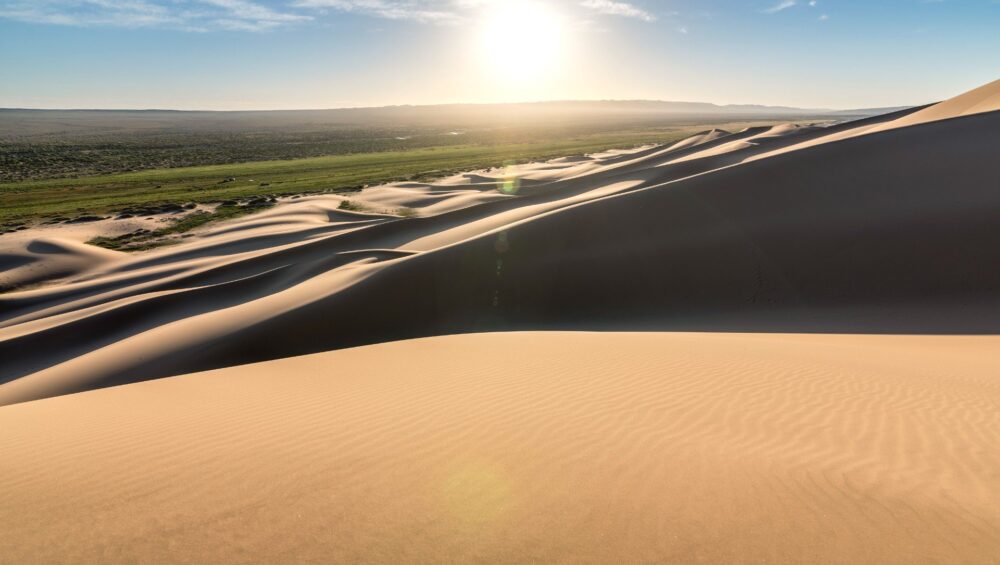
một tuyệt vời của những cồn cát mà tăng đáng kể giữa thảo nguyên cỏ.

: Đi bộ dọc theo vàng cồn cát trong các đầy cảm hứng xem, và cảm nhận sự mềm mại cát dưới chân của bạn.

Tùy Chọn Lạc Đà Đi

  • Cho một cuộc phiêu lưu, một con lạc đà đi qua những cồn cát và trải nghiệm những cách truyền thống của người du mục du lịch.
  • Buổi tối: Truy cập với một gia Đình Địa phương
  • : Đến một gia đình du mục của ger, nơi bạn sẽ trải nghiệm cách sống của họ.

Tìm hiểu về các thói quen nghề truyền thống, và nghệ thuật của chăn gia súc.

Chia sẻ một nhà nấu bữa ăn tối với bạn tổ chức năng đích thực mông cổ món ăn chuẩn bị với các thành phần từ đất xung quanh.

Ở Lại Qua Đêm

  • : Dành cả đêm trong một truyền thống ger với các gia đình địa phương. Trong khi tắm cơ sở có thể không có, điều này thực nghiệm cung cấp một chưa từng kết nối đến Mông cổ của nền văn hóa du mục.
  • Ngắm
  • Kết thúc một ngày của bạn bằng cách bước ra ngoài để ngạc nhiên trước sự rộng lớn trên bầu trời đêm, miễn phí từ ánh sáng ô nhiễm.

Ngày này cung cấp một sự kết hợp hoàn hảo của vẻ đẹp tự nhiên phiêu lưu, và một cái nhìn thân mật vào Mông cổ của lối sống du mục.

Ngày 7 Lái xe về thành phố, thành phố

Ngày 7: Cưỡi lạc Đà và Cồn Cát thăm Dò, Trở về thành phố

  • Bao gồm bữa ăn Sáng và bữa Trưa
  • Hãy quấn cổ cuộc phiêu lưu với một buổi sáng của cưỡi lạc đà và khám phá những thanh thản
  • theo một cảnh lái xe trở lại với thành phố.

Sáng: Lạc Đà Đi Cồn Cát Đi

Bắt đầu một ngày với một ấm áp và bữa sáng thịnh soạn, với chủ nhà của gia đình, tiếp nhiên liệu lên cho cuối cùng của cuộc phiêu lưu.

活動

  • : Có một nhàn nhã lạc đà đi qua golden
  • thường được gọi là "Mini-Đông."
  • Nhập Vai Kinh Nghiệm

Thưởng thức những nhịp điệu của cưỡi lạc đà khi được bao quanh bởi ngoạn sa mạc và thảo nguyên phong cảnh.

Kết Nối Văn Hóa

Tìm hiểu về ý nghĩa của con lạc đà ở mông cổ nền văn hóa du mục, từ vận chuyển để vai trò của mình trong cuộc sống hàng ngày.

  • Sand Dune Đi
  • : Lang thang những cồn cát và trên bàn chân, dùng trong yên bình bầu không khí và chụp những khoảnh khắc cuối cùng của tự nhiên.
  • Thưởng thức cổ truyền thống ăn trưa trước khi bắt đầu các cuộc hành trình trở về thủ đô. Suy nghĩ về cuộc kinh nghiệm đáng kinh ngạc và những người bạn đã gặp nhau trong chuyến đi của bạn.

Conclusion

Chiều: Lái xe đến U


  • Major holidays in Mongolia
  • Thưởng thức những cảnh quan đa dạng của Mông cổ hiện theo cách của bạn trở lại
  • lấy trong quan điểm của thảo nguyên vô tận, chắc chắn ngọn đồi, và du mục trại.
  • Đạt thành phố bởi chiều muộn sớm hoặc tối, mà bạn có thể thư giãn và chuẩn bị cho giai đoạn tiếp theo chuyến đi của bạn.
  • Này, ngày cuối cùng cung cấp một kết luận của cuộc phiêu lưu, pha trộn vẻ đẹp của Mông cổ, biểu tượng của những cồn cát với sự trở lại với cuộc sống đô thị.
  • Genghis Khan’s Birthday holiday
  • Buddha’s Birthday in Mongolia
  • New Year’s Eve in Mongolia

#Mongolia #MongolianHolidays #NaadamFestival #TsagaanSar #GenghisKhan #MongolianCulture #TravelMongolia #FestivalsInMongolia #BuddhistCelebrations


に参加しているNaadamェスティヴァルではないのか。

に参加しているNaadamェスティヴァルではないのか。

The Naadam Festival is one of Mongolia’s most iconic cultural events, celebrated annually in July. Known as the “Three Games of Men,” this festival features traditional Mongolian sports: wrestling, horse racing, and archery. But for travelers and curious enthusiasts, the question often arises: Can you participate in the Naadam Festival?

Understanding the Naadam Festival

The Naadam Festival has deep historical and cultural roots, dating back to the era of Genghis Khan. Initially a way to celebrate military prowess, it has evolved into a national event that highlights Mongolia’s rich heritage. Today, Naadam is not just a sporting competition but also a grand celebration featuring music, dance, and traditional attire.

Can Foreigners Participate in the Naadam Festival?

The short answer is yes, but with limitations. Foreign visitors are welcome to participate in some aspects of the festival, depending on their interest and level of preparation.

1. Spectating the Main Events

Most travelers attend Naadam as spectators. The festival’s opening ceremony in Ulaanbaatar is a must-see, featuring a parade of athletes, traditional performances, and a reenactment of historical scenes. Spectators can also watch wrestling matches, archery contests, and horse races.

2. Trying Archery

Archery is one of the sports where visitors can get involved. Some smaller local Naadam events may allow foreigners to try their hand at traditional Mongolian archery under the guidance of experienced archers. Practicing beforehand is recommended to enhance your experience.

3. Participating in Horse Racing

While foreigners typically do not compete in horse racing due to the unique requirements—such as using child jockeys—visitors can engage by observing the preparation, cheering on the riders, and even interacting with horse trainers.

4. Experiencing Local Naadam Festivals

Outside of the national Naadam Festival in Ulaanbaatar, smaller regional Naadam festivals are held throughout the country. These local events are less formal and often provide more opportunities for tourists to actively participate in games or cultural activities.

How to Prepare for Naadam Participation

  1. Plan Ahead: The festival takes place from July 11th to 13th annually. Book accommodations and tickets for the main events early.
  2. Learn About Mongolian Traditions: Understanding the cultural significance of the festival enhances your experience.
  3. Engage with Locals: Building connections with locals can open doors to unique opportunities to participate.
  4. Dress Appropriately: Wearing a deel (traditional Mongolian garment) is encouraged and adds authenticity to your experience.

Other Activities During Naadam

In addition to the main sports, visitors can enjoy traditional Mongolian food, shop for handcrafted souvenirs, and witness cultural performances. Festivals often feature family-friendly activities, making them an excellent experience for travelers of all ages.

Conclusion

Yes, you can participate in the Naadam Festival, though much of your involvement may be as an enthusiastic observer. Smaller local Naadam events may offer more hands-on experiences. Whether you’re trying archery, watching horse races, or simply soaking in the vibrant atmosphere, the Naadam Festival provides an unforgettable glimpse into Mongolian culture.


  • Participate in Naadam Festival
  • Naadam Festival Mongolia
  • Mongolian traditional sports
  • Naadam Festival 2025
  • Foreigners in Naadam Festival
  • Cultural events in Mongolia
  • Horse racing at Naadam
  • Mongolian archery for tourists

#NaadamFestival #MongolianCulture #VisitMongolia #TravelMongolia #TraditionalSports #MongolianWrestling #HorseRacing #Archery #CulturalFestivals


どの宗教にモンゴル?

どの宗教にモンゴル?

Mongolia is a country rich in cultural history and traditions. One of the defining aspects of Mongolian identity is its religious heritage. Understanding the main religion in Mongolia offers valuable insights into the country’s spiritual landscape and its influence on the culture and daily life of the Mongolian people.

Buddhism: The Dominant Religion in Mongolia

The primary religion in Mongolia is Tibetan Buddhism, often referred to as Lamaism. This spiritual tradition has been a cornerstone of Mongolian culture for centuries and remains the dominant faith practiced by the majority of the population.

Historical Roots of Buddhism in Mongolia

Buddhism was first introduced to Mongolia during the 3rd and 4th centuries. However, it wasn’t until the 16th century that Tibetan Buddhism became deeply rooted in Mongolian society. The influence of Tibetan Buddhist practices grew under the leadership of Altan Khan, who invited Tibetan monks to spread their teachings in the region. By the 17th century, Buddhism was firmly established as the state religion.

Modern Practices of Buddhism in Mongolia

Today, Tibetan Buddhism continues to thrive in Mongolia. Monasteries like Gandantegchinlen Monastery in Ulaanbaatar serve as significant spiritual hubs for the Mongolian people. Religious ceremonies, rituals, and meditation practices play an essential role in daily life, with many Mongolians actively participating in traditional Buddhist festivals such as Tsagaan Sar (Lunar New Year) and Naadam.

Other Religions in Mongolia

ながらの仏教の宗教、他の宗教の平和的共存を開いた。 これらには:

  • Shamanism: As an ancient spiritual practice, shamanism predates Buddhism in Mongolia. It involves worshiping nature and ancestral spirits and remains practiced by some communities, especially in rural areas.
  • Christianity and Islam: These religions are followed by smaller segments of the population, mainly among ethnic minorities.
  • Atheism and Secularism: During the Soviet era, religious practice was suppressed, leading to a significant number of Mongolians identifying as atheists or secular in modern times.

Cultural Impact of Buddhism in Mongolia

Buddhism has profoundly influenced Mongolian art, literature, and architecture. Iconic structures like the Erdene Zuu Monastery, built in the 16th century, showcase the rich heritage of Buddhist art and craftsmanship. The teachings of Buddhism also promote values such as compassion, harmony, and mindfulness, which are deeply embedded in Mongolian society.

Conclusion

The main religion in Mongolia is Tibetan Buddhism, a faith that has shaped the country’s cultural and spiritual identity for centuries. From historical monasteries to contemporary practices, Buddhism remains a vital aspect of life for many Mongolians. Its enduring presence reflects the deep connection between the people of Mongolia and their spiritual traditions.


  • Main religion in Mongolia
  • Tibetan Buddhism in Mongolia
  • Mongolian culture and religion
  • Religious practices in Mongolia
  • Buddhism in Ulaanbaatar
  • History of Buddhism in Mongolia
  • Spiritual traditions of Mongolia
  • Mongolian Buddhist monasteries

#Mongolia #Buddhism #MongolianCulture #TibetanBuddhism #Spirituality #ReligionInMongolia #TravelMongolia #MongolianHistory


Discover the Top Cultural Festivals in Mongolia

Discover the Top Cultural Festivals in Mongolia: A Journey Through Tradition

Mongolia is a land of vibrant traditions and age-old celebrations. From ancient nomadic rituals to modern cultural showcases, Mongolia’s festivals offer travelers a unique glimpse into the heart of its heritage. If you’re planning a trip, here are the must-see cultural festivals in Mongolia that you should add to your itinerary.


1. Naadam Festival

Often called the “Three Manly Games,” the Naadam Festival is Mongolia’s most famous cultural event. Held annually in mid-July, it celebrates the traditional sports of wrestling, horse racing, and archery. The festival begins with a colorful opening ceremony in Ulaanbaatar, featuring traditional music, dance, and vibrant costumes.

  • When: July 11-15
  • Where: Nationwide, with the main event in Ulaanbaatar
  • Why Visit: To experience Mongolia’s national pride and its UNESCO-recognized cultural heritage.

Hashtags: #NaadamFestival #MongolianCulture #TraditionalGames


2. Tsagaan Sar (Lunar New Year)

Tsagaan Sar, or the Mongolian Lunar New Year, marks the start of spring and is one of the country’s most important holidays. Families gather to exchange blessings, enjoy traditional meals like buuz (dumplings), and honor their ancestors. This festival offers a deep cultural experience for those lucky enough to be invited into a Mongolian home.

  • When: Late January to early February (varies by lunar calendar)
  • Where: Across Mongolia
  • Why Visit: To witness heartfelt traditions and the warmth of Mongolian hospitality.

Hashtags: #TsagaanSar #MongolianNewYear #CulturalFestivals


3. Golden Eagle Festival

Held in the Altai Mountains, the Golden Eagle Festival showcases the ancient tradition of eagle hunting. Kazakh hunters, dressed in traditional attire, demonstrate their skills in training and hunting with golden eagles. The festival also includes horse racing, archery, and cultural performances.

  • When: Early October
  • Where: Bayan-Ölgii Province
  • Why Visit: To marvel at the bond between humans and nature in this spectacular cultural event.

Hashtags: #GoldenEagleFestival #AltaiMountains #EagleHunters


4. Ice Festival

Set against the stunning backdrop of Lake Khovsgol, the Ice Festival is a winter wonderland celebration. Activities include ice-skating, horse sled races, and wrestling on frozen lakes. Visitors can also witness shamanic rituals and enjoy traditional Mongolian performances.

  • When: Early March
  • Where: Lake Khovsgol, northern Mongolia
  • Why Visit: To embrace the beauty of Mongolia’s winters and its unique traditions.

Hashtags: #IceFestival #LakeKhovsgol #WinterAdventures


5. Camel Festival

Celebrating the Bactrian camel, the Camel Festival is a tribute to the vital role these animals play in nomadic life. The festival features camel races, beauty contests, and cultural performances, offering visitors a glimpse into life in the Gobi Desert.

  • When: Early March
  • Where: ゴビ砂漠
  • Why Visit: To explore the rich nomadic culture and the importance of camels in Mongolian life.

Hashtags: #CamelFestival #GobiDesert #NomadicCulture


6. Nomadic Culture Festival

Nomadic Culture Festival is a celebration of Mongolia’s traditional way of life. Visitors can participate in yurt-building, herding demonstrations, and enjoy authentic Mongolian cuisine. This festival is perfect for those who want an immersive cultural experience.

  • When: : Marvel at the majestic Orkhon Waterfall and the stunning landscapes of the Khangai Mountains.
  • Where: モンゴル中央
  • Why Visit: To connect with Mongolia’s nomadic roots and lifestyle.

Hashtags: #NomadicCulture #MongolianTraditions #YurtLife


Conclusion: Celebrate Mongolia’s Rich Heritage

Mongolia’s festivals are more than just events—they are a gateway to understanding its rich culture and traditions. Whether you’re fascinated by the strength of wrestlers at Naadam, the elegance of eagle hunters, or the warmth of Lunar New Year celebrations, there’s a festival for everyone. Plan your trip around these incredible events for an unforgettable experience.

Hashtags: #VisitMongolia #MongolianFestivals #CulturalTravel


Are Mongolian People Friendly Toward Tourists?

Are Mongolian People Friendly Toward Tourists? A Warm Welcome Awaits!

Mongolia, the land of the eternal blue sky, has long been a dream destination for adventurers and culture enthusiasts. If you’re considering visiting this vast and captivating country, you might wonder, Are Mongolian people friendly toward tourists? The short answer is a resounding yes! Mongolians are known for their hospitality, warmth, and deep respect for guests. Let’s explore why Mongolia is one of the most welcoming destinations in the world.


1. The Spirit of Nomadic Hospitality

Mongolia’s nomadic traditions have shaped a culture of unparalleled hospitality. In the countryside, where vast steppes stretch endlessly, nomads often welcome travelers into their gers (traditional felt tents) without hesitation. It’s customary to offer food, tea, and even a place to stay overnight. This tradition, known as “guest rights,” is deeply ingrained in Mongolian culture.

ヒント:場合に招ゲルを覚えて受け入れ品丁寧に従ってそこでの慣習、ステッピングを避けるにはzemax®ファイルをご参照ください。


2. Urban Friendliness in Ulaanbaatar

In Mongolia’s capital, Ulaanbaatar, the atmosphere is equally welcoming. While the city is more fast-paced than the countryside, locals are generally friendly and eager to help tourists. Many young Mongolians speak English, making communication easier. Whether you’re asking for directions or recommendations, you’ll likely be met with a smile.


3. Respect for Foreigners

Mongolians take great pride in their heritage and are enthusiastic about sharing their traditions with visitors. From participating in Naadam Festival to learning about the history of ジンギスカン, locals often go out of their way to ensure tourists have a memorable experience.

Hashtags: #MongolianCulture #TravelMongolia #NomadicLifestyle


4. Cultural Tips for Tourists

To make the most of your trip and connect with locals, keep these cultural tips in mind:

  • Bring a small gift: If staying with a nomadic family, a small token like candy or tea is appreciated.
  • Learn basic phrases: Knowing a few words like “Sain bain uu? (Hello)” and “Bayarlalaa (Thank you)” goes a long way.
  • Respect traditions: For example, always receive items with your right hand and avoid pointing your feet at people.

Hashtags: #MongoliaTravelTips #CulturalRespect #TravelSmart


5. Why Tourists Love Mongolia

  • Adventure Opportunities: From trekking in the Altai Mountains to exploring the Gobi Desert, Mongolia offers unparalleled adventure.
  • Unique Experiences: Stay in a ger, ride horses, or witness the eagle hunters of western Mongolia.
  • Affordable Travel: Compared to many destinations, Mongolia offers budget-friendly options without compromising quality.

Hashtags: #VisitMongolia #GobiDesertAdventures #ExploreNomadicLife


Conclusion: A Heartwarming Experience

Whether you’re exploring the bustling streets of Ulaanbaatar or the serene landscapes of the steppe, Mongolians’ warmth and hospitality will make your journey unforgettable. Their respect for visitors, combined with a rich cultural heritage, ensures that you’ll not only feel welcome but also leave with lasting memories.

If you’ve been considering a trip to Mongolia, now’s the time to pack your bags and experience the friendliness firsthand.

Hashtags: #FriendlyMongolia #MongoliaAdventure #TravelWithHeart

とは何での公用語であるモンゴル?

とは何での公用語であるモンゴル?

보트를 타고에서이크

해의 아름다운 전망을 물고 주변 산

따라 레이크의 해안 또는 서비스에 대한 전망 관찰 에서 지역을 포함한 다양 한 종의 조류와 동물을 방목

사진 찍

1. 화산 풍경

고 조용한 바닷물 저녁에 정착한 밤 6:00 저녁식사에서 캠프장이나 Ger 호텔

2. 로 하루의 끝,인

몽골 저녁 식사 로 하루의 끝,인준비된 신선한 재료로. 지 캠프 근처 호 또는 숙박 인근

이 될 것입니다,평화로운 설정을 하실 수 있을 것입니다.

7:00-휴식에 의해 호수

  • Kazakh저녁을 보내 호수,을 즐기는 고요한 분위기의 영역입니다. 수도 있습 기회와 상호 작용하는 지역의 목동들 또는 여행 이야기를 공유하며 당신의 모험이다.
  • 화이트 호수 여행 몽골 Terkhiin Tsagaan Nuur 험

북 몽골수

아름다운 드라이브를 화이트 호수

  • “Sain baina uu” (Сайн байна уу): Hello.
  • “Bayarlalaa” (Баярлалаа): Thank you.

방문 화이트 호수에서 몽골

화이트 호수 하이킹 투어

몽골 국립 공원

Conclusion

Lake Terkhiin Tsagaan 관광 관찰몽골 전통적인 캠핑


Hashtags for Social Media:

탐구는 화산 풍경 몽골

Is Mongolia a Good Destination for Solo Travelers?

Is Mongolia a Good Destination for Solo Travelers?

Solo travel is an exciting way to explore the world, and Mongolia is a unique destination that promises adventure, tranquility, and cultural immersion. But is Mongolia a good destination for solo travelers? Absolutely! Here’s why, along with tips to make your trip unforgettable.

Why Mongolia Is Perfect for Solo Travelers

1. Unmatched Natural Beauty

Mongolia offers vast open landscapes, from the rolling steppes to the dramatic Gobi Desert. Solo travelers can find peace and solitude in nature while exploring iconic sites like:

  • U ngày chuyến đi: Ideal for kayaking and hiking.
  • Altai Mountains: Perfect for trekking and wildlife spotting.
  • Terelj国立公園: Great for a quick escape from Ulaanbaatar.

2. Rich Cultural Experiences

Mongolia’s nomadic culture is one of its biggest draws. As a solo traveler, you can:

  • 滞在 traditional ger camp.
  • Join a local family to learn about their way of life.
  • Participate in festivals like the Naadam Festival.

3. Safe and Friendly Environment

Mongolia is considered a safe destination for solo travelers. The locals are known for their hospitality and willingness to help. While English is not widely spoken outside major cities, basic gestures and translation apps can bridge communication gaps.

4. Adventurous Activities

からキャメル到着のゴビ砂漠に乗馬の草原、モンゴルは冒険好きのハイカーの楽園です。 ソロ旅行者が参加できるガイドツアーは独立したプランがあります。

Tips for Solo Travel in Mongolia

1. Plan Your Transportation

Public transportation is limited in Mongolia. Consider:

  • Booking a private driver or tour guide for remote areas.
  • Using domestic flights for long distances, such as from Ulaanbaatar to the Gobi Desert.

2. Pack for All Weather

Mongolia’s climate is extreme. Pack layers to stay comfortable in varying temperatures, especially if you plan to camp or trek.

3. Learn Basic Mongolian Phrases

While not essential, learning a few phrases can enhance your experience and show respect for the local culture. For example:

  • “Sain baina uu” (Сайн байна уу): Hello.
  • “Bayarlalaa” (Баярлалаа): Thank you.

4. Join Group Tours for Remote Areas

Traveling solo doesn’t mean you have to go it alone. Group tours offer safety, convenience, and a chance to meet other travelers.

Best Time for Solo Travel in Mongolia

The best time to visit Mongolia is between June and September when the weather is warm, and festivals are in full swing. Winter, though cold, offers unique experiences like the Ice Festival and snow-covered landscapes.

Conclusion

Mongolia is an excellent destination for solo travelers seeking adventure, cultural immersion, and solitude. With proper planning and an open mind, you’ll find Mongolia to be a rewarding and unforgettable experience.


Hashtags for Social Media:

#SoloTravelMongolia #DiscoverMongolia #NomadicCulture #AdventureTravel #SoloAdventure #VisitMongolia #TravelAsia #ExploreTheWorld

What Is Mongolia Famous For?

Mongolia, the land of blue skies and endless steppes, is a country that captivates travelers with its unique blend of natural beauty, rich history, and vibrant culture. Here’s a closer look at what makes Mongolia famous, complete with Google SEO keywords to ensure your blog gets noticed.

1. Nomadic Culture

Mongolia is world-renowned for its nomadic lifestyle. About 30% of the population continues to live as nomads, moving with their herds across the vast steppes. Visitors can experience this firsthand by staying in traditional Mongolian gers and joining herders in their daily routines.

2. The Gobi Desert

ゴビ砂漠 is one of the most famous deserts in the world, known for its dramatic landscapes, towering sand dunes, and unique wildlife. Visitors can explore the 炎の崖, where dinosaur fossils have been discovered, or embark on a camel trek across the sands.

3. Genghis Khan and the Mongol Empire

Mongolia is the birthplace of ジンギスカン, the legendary founder of the Mongol Empire. His legacy is celebrated throughout the country, from the towering Genghis Khan Statue Complex near Ulaanbaatar to the ancient ruins of カラコルム, the empire’s former capital.

4. U ngày chuyến đi

Known as the “Blue Pearl of Mongolia,” U ngày chuyến đi is a pristine alpine lake surrounded by forested mountains. It’s a haven for nature lovers, offering opportunities for hiking, kayaking, and horse trekking.

5. The Naadam Festival

Mongolia’s Naadam Festival is a UNESCO-recognized event held annually in July. This traditional festival showcases the “Three Manly Games” – wrestling, horse racing, and archery. It’s a vibrant celebration of Mongolian culture and heritage.

6. Vast Steppes and Open Skies

Often called the “Land of Eternal Blue Sky,” Mongolia boasts over 250 sunny days a year. The endless steppes and dramatic landscapes create a sense of freedom and adventure that’s unmatched anywhere else in the world.

7. Wildlife and Nature

から過 snow leopard in the Altai Mountains to the wild horses of Hustai国立公園, Mongolia is a treasure trove of unique wildlife. Bird watchers and nature enthusiasts will find plenty to admire.

8. Buddhist Heritage

Mongolia is home to stunning Buddhist monasteries, such as Gandan Monastery in Ulaanbaatar and the Gói lớp, khi nhiệt độ có thể thay đổi đáng kể giữa ngày và đêm. in Karakorum. These sites offer a glimpse into the country’s spiritual side and its Tibetan Buddhist traditions.

Best Time to Visit Mongolia

The best time to explore Mongolia is from June to September, when the weather is warm and the countryside is lush. Winter visits, however, offer a chance to experience unique events like the Ice Festival at Khuvsgul Lake.

Conclusion

Mongolia’s fame lies in its unspoiled natural landscapes, rich nomadic culture, and historical significance. Whether you’re an adventurer, history buff, or cultural enthusiast, Mongolia offers a once-in-a-lifetime experience.


Hashtags for Social Media:

#DiscoverMongolia #MongoliaTravel #GobiDesert #NomadicCulture #VisitMongolia #NaadamFestival #KhuvsgulLake #GenghisKhan #TravelAsia